Furious Series 2026 Ending Explained
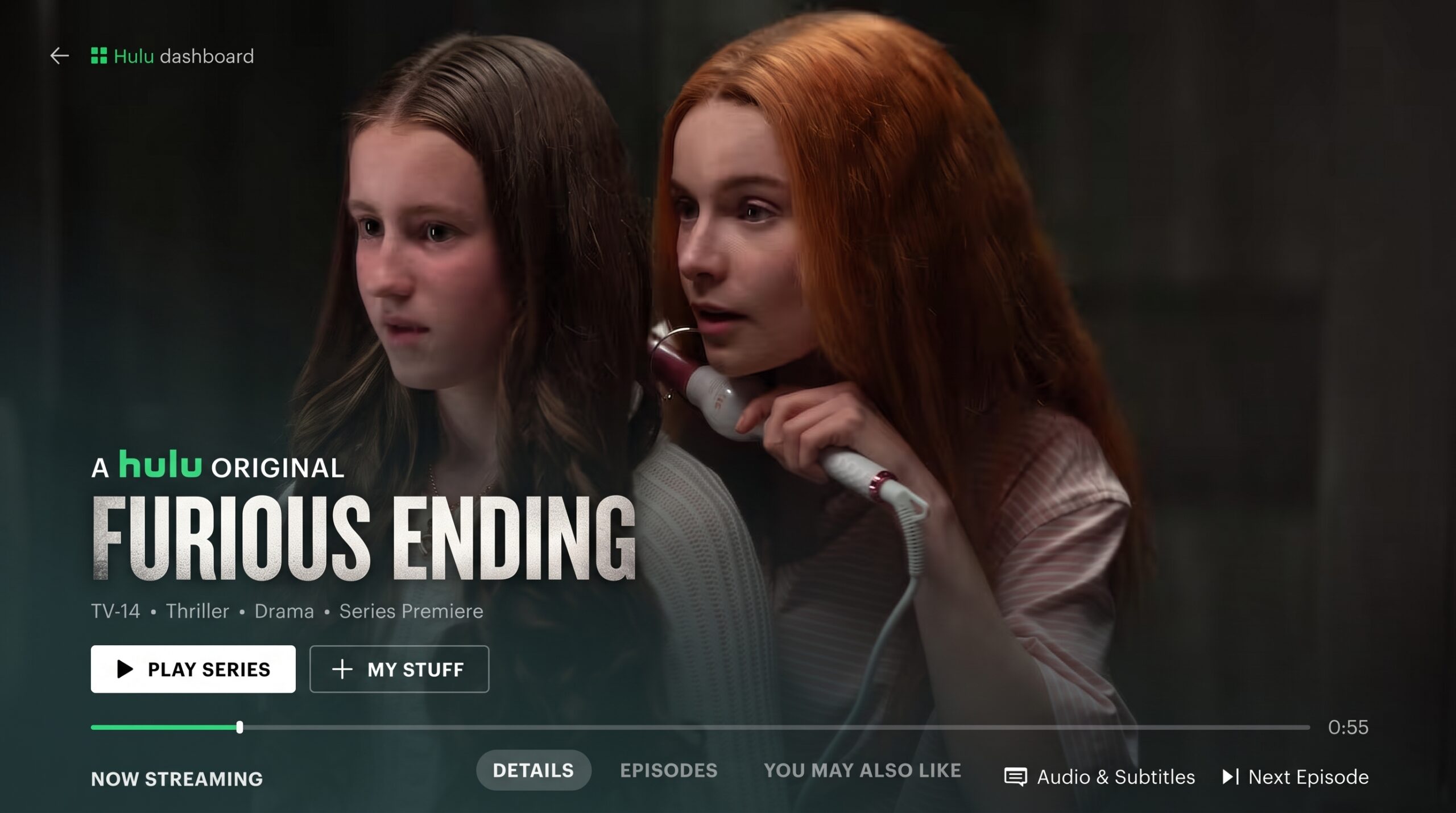
The part of Furious that I keep coming back to is Alice standing beside Jay Easton’s hospital bed, because for most of the season the show encourages me to believe that Alice and Catherine represent two completely different responses to the same broken world, with Catherine embracing murder because she no longer believes powerful men can be punished legally, while Alice keeps insisting that the answer has to be investigation, evidence and institutions, even when those institutions have already failed her personally.
That division gives the series its tension because Catherine is horrifying precisely because some of the people she targets are so morally repellent that I understand why she stopped waiting for permission, while Alice becomes the person who is supposed to prove that understanding someone’s rage is not the same thing as accepting what they do with it.
Then the finale removes the distinction in one incredibly quiet moment, because Alice does not kill Jay during a fight, in self-defense or because somebody’s life is immediately at risk; she simply realizes that she has the power to let him die and decides not to save him.
That is what makes the scene much more disturbing to me than Catherine’s killings, because Catherine has already constructed an entire ideology around vengeance, while Alice crosses the line almost without ceremony, as if the final barrier inside her has simply disappeared. Jay’s remark about her past is obviously designed to provoke exactly the wound she has spent the season carrying, but the important thing is that Alice does not lose control in some explosive way; she becomes calm enough to make a decision, which means the murder feels less like a temporary breakdown and more like the beginning of a new moral logic.
Meriwether has explained that the show does not want viewers to conclude that murder is justified, but rather to sit with the uncomfortable question of what justice even means when legal systems repeatedly protect wealthy abusers and leave survivors feeling that accountability is impossible.
I think that is also why the ending works better if I stop asking whether Alice has “become Catherine” and start asking what Catherine has already taught her. Catherine spends the season forcing Alice to look directly at the gap between what institutions claim to do and what they actually do, while Alice keeps trying to maintain faith in procedure because losing that faith would mean confronting how little protection those systems offered her when she needed them herself.
By the finale, Jay becomes the point where the abstract argument turns personal, and Alice discovers that the temptation Catherine lives with is not some incomprehensible pathology but something she can feel in her own hand when nobody else is watching.
That does not make Catherine right, and it does not make Alice’s choice heroic, which is exactly why I think the finale is stronger than a cleaner ending would have been.
The show’s best idea has always been that rage can be morally understandable without automatically becoming morally safe, and Season 1 ends by placing Alice inside that contradiction instead of allowing her to remain the righteous observer standing outside it.
The current debate over whether the finale pushed her too far too quickly is fair, especially because some viewers felt that the final stretch became more mechanically constructed than the earlier episodes, but I would rather watch Season 2 deal with Alice carrying the knowledge that she crossed this line than watch the series preserve her as the uncomplicated lawful counterweight to Catherine.
The most interesting version of Furious going forward is not Alice hunting another killer while pretending nothing changed; it is Alice trying to enforce rules that she now knows she herself is capable of abandoning. Catherine spent Season 1 asking what happens when the system fails badly enough that vengeance starts feeling like justice, and Alice’s answer used to be that you still do not become the killer.
Now she knows that answer was easier to believe before she had the opportunity.