Carrie 2026 Ending Explained
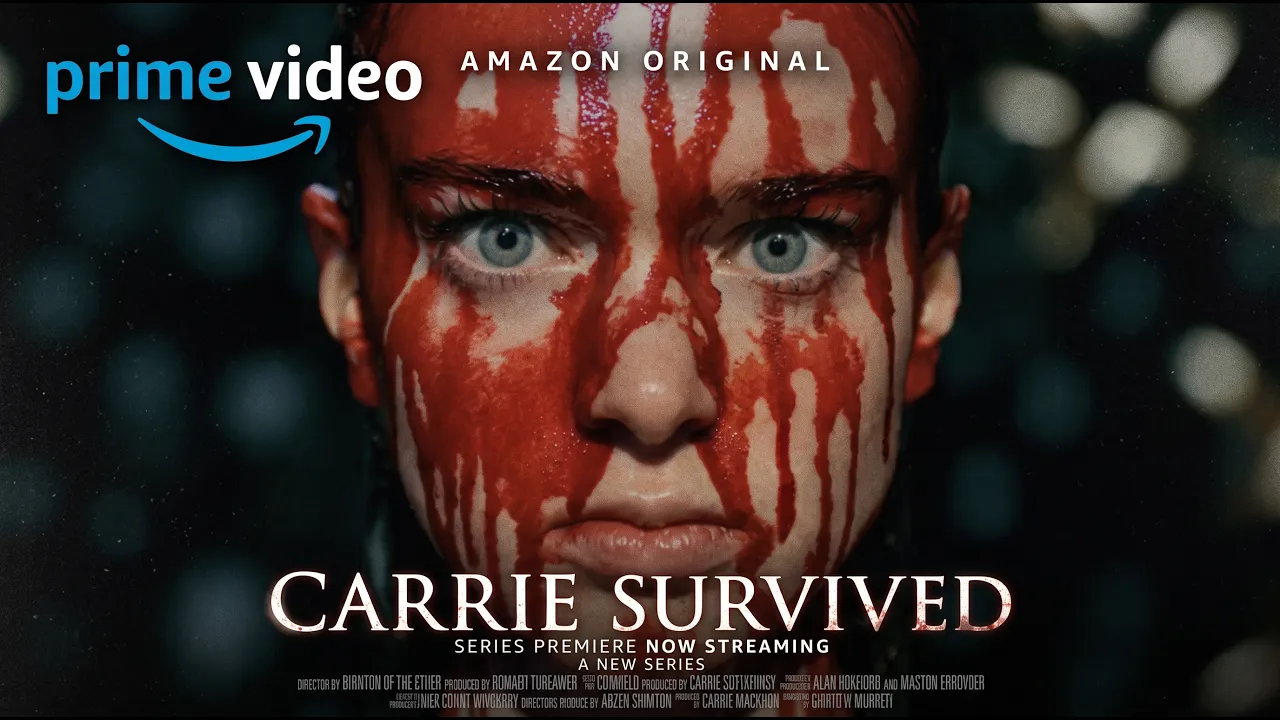
The hottest discussion around Mike Flanagan’s Carrie right now is the finale’s radical decision to keep Carrie alive while shifting part of the responsibility for the prom massacre onto Emaline, because that changes one of the most fundamental ideas behind Stephen King’s original tragedy and simultaneously turns what used to be a self-contained story into the beginning of a much larger supernatural mythology.
Flanagan has confirmed that Carrie surviving was planned from the beginning and that Stephen King was enthusiastic about the direction, while the finale also reveals that Emaline is a real astral-projecting girl and introduces a mysterious group of telekinetic women who appear to be tracking people with abilities like Carrie’s, effectively opening the door to additional seasons.
What I find fascinating about this version of Carrie is that Mike Flanagan has basically taken the most famous thing about the story, which is that Carrie White’s humiliation at prom ends with her becoming both victim and destroyer, and deliberately broken that structure apart, because once Emaline starts influencing the massacre and Carrie ultimately escapes instead of dying, I am no longer watching the inevitable destruction of a traumatized girl so much as the origin story of someone who may now belong to an entire hidden world of people with psychic abilities.
That is an enormous change, and I completely understand why it is dividing viewers, because the original Carrie is uncomfortable precisely because Carrie is not completely innocent by the end; she is horribly abused, publicly humiliated and pushed beyond any reasonable limit, but she still makes catastrophic choices with her power, which forces us to sympathize with her while also being horrified by what she becomes.
Vulture has specifically criticized the new version for weakening that moral ambiguity by making Emaline partly responsible for what happens at prom, effectively allowing Carrie to remain more clearly a victim, while some fans are making almost the exact same complaint, arguing that they expected a tragic horror story and instead felt the ending was setting up something closer to a supernatural ensemble or even a superhero-style mythology.
I also think Emaline is the key to understanding why Flanagan made the change, because the finale reveals that she was never simply Carrie’s imaginary friend or psychological coping mechanism, she is an actual astral projector capable of interacting with events around Carrie, and once the series introduces Adelaide and this wider group of gifted women, Carrie’s telekinesis suddenly stops being an isolated curse and becomes part of something much bigger.
That idea is potentially fascinating because King’s universe has always contained people with psychic abilities, from The Shining onward, and Flanagan clearly understands that mythology better than almost anyone adapting King today, but I also think this is where the series is taking its biggest risk, because Carrie originally works because there is nowhere for Carrie to go after prom; the horror is complete, the town is destroyed, her relationship with Margaret reaches its catastrophic conclusion and Carrie’s life ends before she ever gets the chance to become something else.
Here, however, Emaline rescues her, Carrie leaves Chamberlain alive, and the final revelations tell us that the massacre may actually be the beginning of Carrie’s story rather than its ending, which means the next season could potentially transform her from tragic horror protagonist into someone actively exploring her powers while being pursued by other gifted people.
For me, that is why the ending is becoming the real conversation around this adaptation rather than the modernized bullying or social-media elements, because Flanagan has not merely updated Carrie for 2026; he has changed the genre trajectory of the character herself, and whether that feels like a brilliant expansion of Stephen King’s psychic mythology or a dilution of the original story’s brutal finality probably depends on whether you think Carrie White needed a future at all.
The ending makes one major change to Stephen King’s story: Carrie survives. After Chris and Billy dump pig’s blood on her at prom, Carrie initially lashes out, but Emaline revealed to be a real girl with astral-projection abilities takes control for much of the massacre with Carrie’s permission. Carrie herself later kills Chris and Billy by crushing their crashed car, making it clear she is still responsible for some of the violence.
Carrie then returns home, where Margaret tries to kill her. Their confrontation causes the house to collapse, but both survive because Margaret also possesses psychic abilities. Emaline physically appears, rescues Carrie, and drives away with her. Margaret is later interrogated by Adelaide’s mysterious organization of psychic women and killed when they use their powers to stop her heart.
The final reveal is that Carrie is not unique. Adelaide leads a hidden network of women with supernatural abilities, Emaline was originally sent to observe Carrie for them, and she eventually betrays that group to help Carrie escape. The season therefore ends with Carrie alive and on the run with Emaline, turning the original tragedy into the beginning of a larger psychic storyline that could continue in Season 2.