Spider-Noir Story & Review
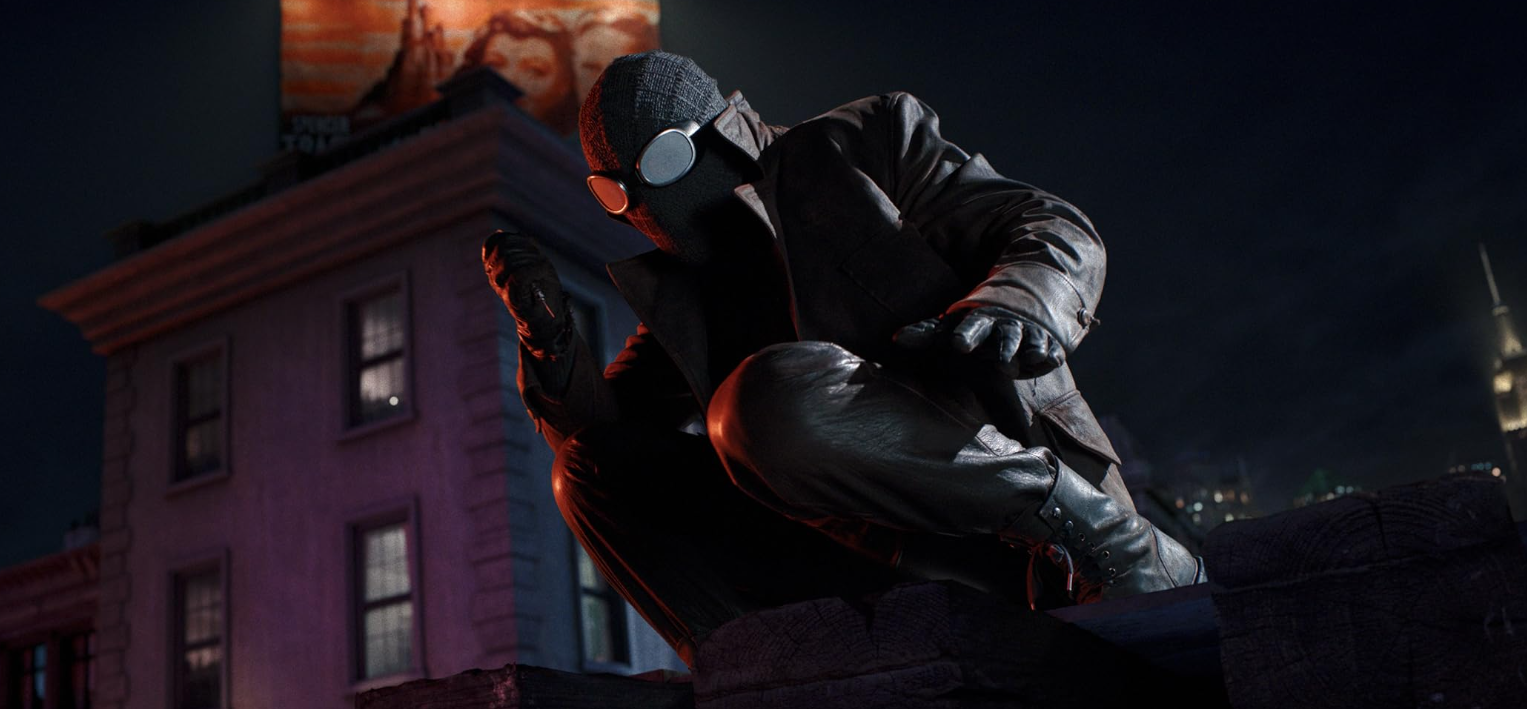
A lot of fan discussion around Spider-Noir revolves around how strangely “haunted” the entire universe feels compared to normal Spider-Man stories. People are describing it less like a superhero show and more like a depression-era detective nightmare where New York itself feels spiritually rotten.
The lore that fans seem most obsessed with is the idea that this version of Spider-Man is not really a hopeful hero anymore. Nicolas Cage’s Spider-Noir is portrayed almost like a broken vigilante wandering through corruption, political decay, mob violence, and occult conspiracies during the 1930s. Instead of colorful supervillains, the city is filled with crime families, secret societies, assassins, and psychologically damaged characters hiding behind old-money power structures.
Another thing fans keep bringing up is the supernatural undertone. In the comics, Spider-Noir’s powers originally came from a mystical spider-god tied to ancient artifacts, and viewers suspect the show is heavily leaning into that darker mythology instead of pure science-fiction. That’s why many scenes reportedly feel closer to noir horror than traditional Marvel action.
The biggest appeal according to fans is atmosphere:
- black-and-white visuals,
- rain-soaked streets,
- cigarette smoke,
- jazz clubs,
- corrupt politicians,
- existential narration,
- and a Spider-Man who looks emotionally exhausted all the time.
A common sentiment online is that Spider-Noir feels like Batman: The Animated Series collided with cosmic horror and old detective films rather than a normal Spider-Man adaptation.
Review
1. Is This the Darkest Spider-Man Ever?
One of the most interesting discussions surrounding Spider-Noir is whether this is actually the darkest version of Spider-Man ever put on screen.
What makes the debate fascinating is that Spider-Noir doesn’t simply make Spider-Man more violent or more serious. It fundamentally changes the type of story he’s in.
Traditional Spider-Man stories are usually built around hope. Peter Parker struggles with responsibility, relationships, and personal sacrifice, but underneath it all there’s a belief that doing the right thing matters. Spider-Noir feels very different. This version operates in a world where corruption is everywhere, justice is rare, and almost everyone is carrying some kind of moral stain.
That’s why many fans say the show feels closer to a detective noir than a superhero series. Instead of fighting colorful supervillains, Spider-Noir spends much of his time navigating murder investigations, political corruption, organized crime, and a city that seems determined to consume anyone trying to save it.
The character himself reflects that darker world. He’s not an optimistic young hero discovering his purpose. He’s a weary investigator who has already seen too much. Every victory feels temporary, every ally has secrets, and every case reveals another layer of decay beneath the surface.
What’s especially interesting is that the darkness isn’t coming from the villains. It’s coming from the atmosphere. The rain-soaked streets, the shadows, the constant sense of paranoia, and the feeling that the city itself may be beyond saving. For many fans, that’s what makes Spider-Noir unique. It’s not asking whether Spider-Man can defeat evil. It’s asking whether hope can survive in a world where evil has already won.
2. The Spider-God and Occult Lore
Comic readers are constantly discussing whether the show will fully embrace the mystical origins of Spider-Noir’s powers. In the comics, his abilities are connected to a supernatural spider deity rather than a scientific accident. Fans are closely watching for clues that the series is building toward a larger occult mythology hidden beneath the crime story.
3. Is the City the Real Villain?
One of the most interesting discussions revolves around the setting itself. Many fans argue that New York in Spider-Noir feels less like a backdrop and more like a living antagonist. The city is portrayed as a place where corruption infects everything—from politicians and police to crime bosses and ordinary citizens.
4. Nicolas Cage’s Performance
Viewers frequently praise Nicolas Cage for embracing the character’s cynical, exhausted nature. A common sentiment is that he doesn’t play Spider-Noir as a superhero. He plays him as a broken detective who happens to have spider powers.
5. Connections to the Spider-Verse
Fans are constantly theorizing about how closely the series connects to the version seen in Spider-Man: Into the Spider-Verse and Spider-Man: Across the Spider-Verse. Some believe it’s the same character years later, while others think it’s a separate interpretation entirely.
6. The Black-and-White Aesthetic
A surprisingly large amount of discussion centers on the show’s visual style. Many fans believe the monochrome presentation isn’t just a creative choice but part of the lore itself—reflecting Spider-Noir’s worldview, where morality has become blurred and hope is increasingly difficult to find.
The overall trend is that fans aren’t treating Spider-Noir like a superhero show. They’re treating it like a detective mystery with supernatural elements that just happens to feature Spider-Man. That distinction is what makes the series stand out from almost every other Marvel adaptation.