Over Your Dead Body 2026 Review
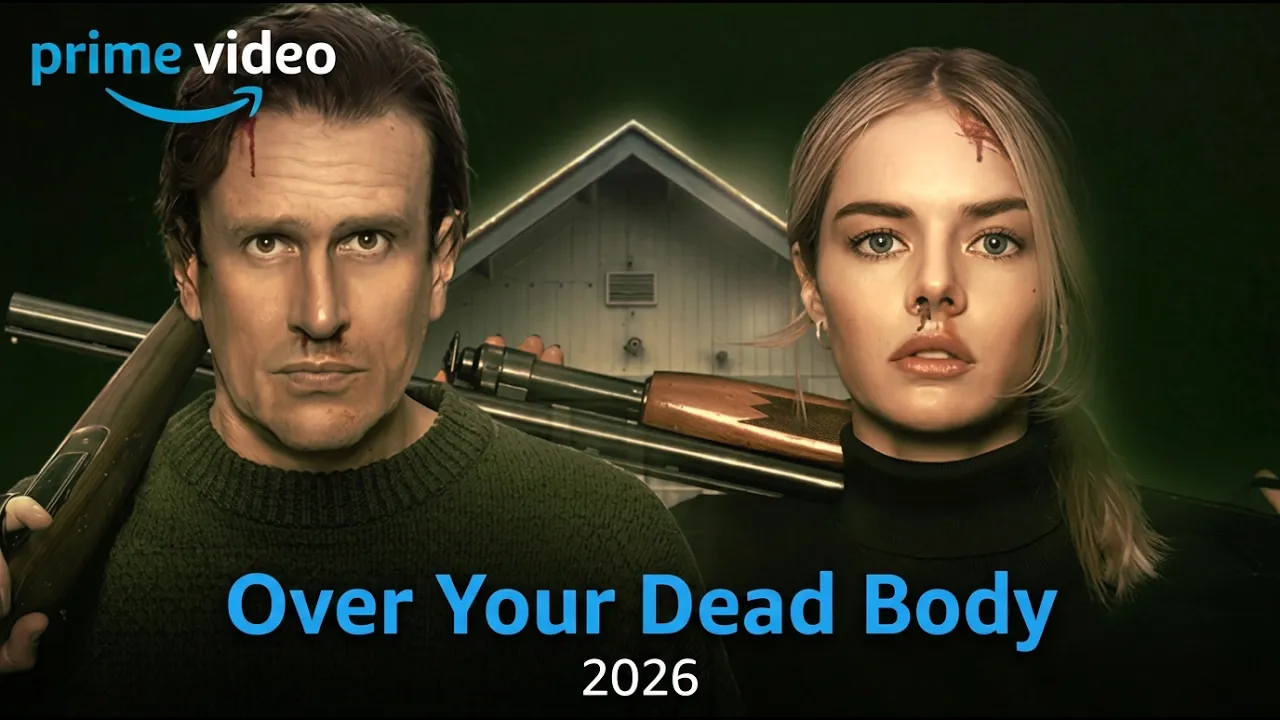
Over Your Dead Body is one of those horror movies that critics respected more than they enjoyed, while audiences who connected with its atmosphere ended up appreciating it much more.
What stood out to me is that the film doesn’t behave like a modern jump-scare horror movie. Instead, it leans heavily into psychological dread, guilt, and the idea that the past never really stays buried. The horror unfolds gradually, almost like a ghost story wrapped inside a character study. That approach earned praise from critics, who generally appreciated the mood, cinematography, and commitment to slow-burn tension.
At the same time, that’s also where some of the criticism comes from. A number of viewers felt the pacing was too deliberate and that the film spent more time building unease than delivering major scares. If you’re expecting constant supernatural chaos, the movie can feel restrained.
Where we think the film succeeds is in its atmosphere. The sense that something is wrong hangs over almost every scene. Even before the supernatural elements become obvious, there’s a lingering feeling of inevitability, as though the characters are already trapped by decisions they’ve made long before the story begins.
Audience reactions seem split between people who found it haunting and people who found it frustratingly slow. But even many critics who had reservations acknowledged that the film has a distinctive identity and refuses to follow the typical horror formula.
If we had to summarize the general sentiment in one sentence, it would be this: Over Your Dead Body is less interested in making you jump and more interested in making you feel uncomfortable long after the credits roll. That’s exactly why some viewers found it mesmerizing while others found it difficult to connect with.
The Comedy
The comedy is actually one of the more divisive aspects of Over Your Dead Body.
Rather than going for obvious jokes or horror-comedy antics, the film uses very dark, uncomfortable humor. Most of the laughs come from awkward situations, character reactions, escalating bad decisions, and the absurdity of people trying to rationalize increasingly supernatural events. It’s the kind of humor where you’re not always sure whether you’re supposed to laugh.
Critics generally appreciated this approach because it prevents the movie from becoming relentlessly grim. The humor creates breathing room between the psychological horror sequences and helps make the characters feel more human. However, some reviewers felt the tonal shifts occasionally undermine the tension, especially when a genuinely creepy moment is followed by a sarcastic remark or awkward comedic exchange.
Audience reactions tend to depend on expectations. Viewers expecting something like Evil Dead, Ready or Not, or The Cabin in the Woods often found the comedy too subtle. Those who enjoy dark satire and dry humor seemed much more receptive.
What’s interesting is that the comedy isn’t there to make the audience feel safe. In many horror-comedies, jokes release tension. Here, the humor often makes situations feel even more uncomfortable because characters are treating bizarre or horrifying events with surprising normality.
So if the horror is built on dread and guilt, the comedy is built on denial and human absurdity. The result is a film that feels less like a traditional horror-comedy and more like a psychological horror story with a very dark sense of humor woven through it.