The Sopranos S4 Explained: Episode By Episode Breakdown
Intro
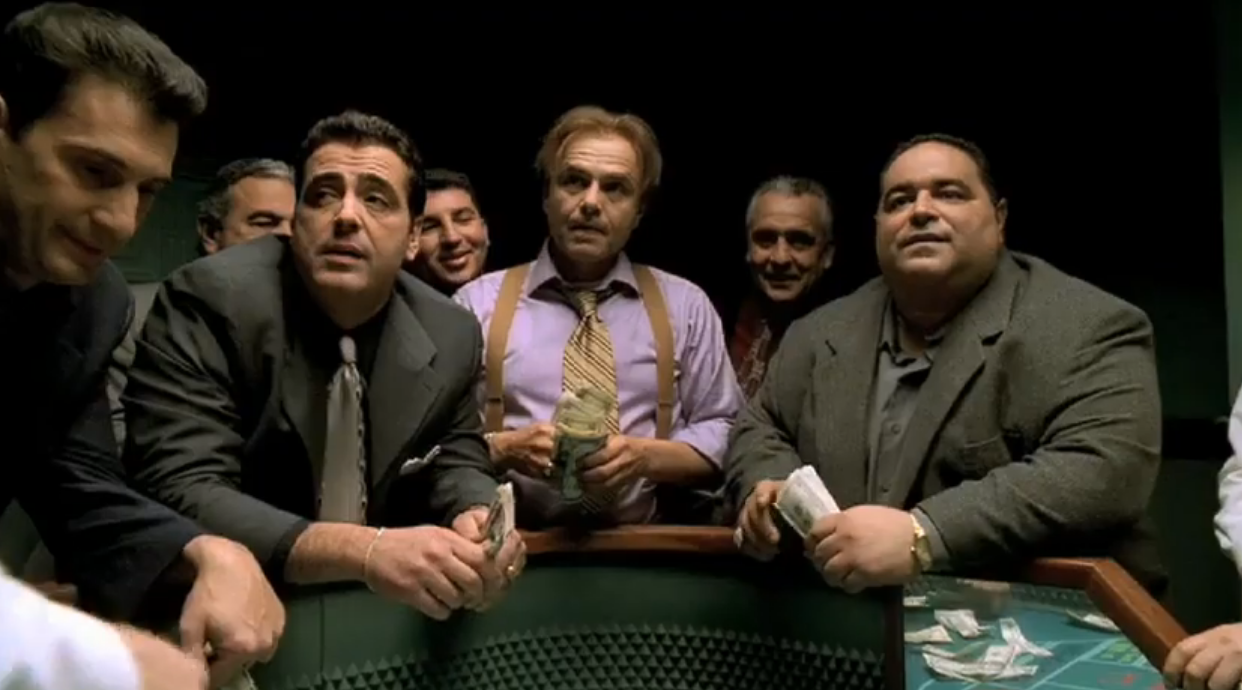
If Season 3 was the explosive party; loud, violent, and full of surface-level chaos, Season 4 is the hangover. It is arguably the darkest, most cynical, and most introspective season of The Sopranos. Aired in 2002, in the shadow of 9/11 (a specter that haunts the season’s skyline and dialogue), this chapter isn’t about the Mafia in the traditional sense. It’s about marriage, economics, and the quiet, rotting soul of the American Dream.
As a writer, I look at Season 4 and I don’t see a mob drama; I see a tragedy about people trapped in the purgatory of their own choices. The pacing slows down, the kills become grimmer (and less “cool”), and the central conflict shifts from the streets to the master bedroom
Season 4 Recap
The season is structured around the erosion of Tony Soprano’s two families. On the business side, the recession is hitting hard. The crew is fighting over scraps mainly fiber optic cables, HUD scams, and no-show jobs at the Esplanade construction site. Tensions flare with New York (the Lupertazzi family) over money and honor, specifically a joke Ralph Cifaretto makes about Johnny Sack’s wife.
On the home front, the walls are closing in. Carmela falls into a deep, unrequited love with Furio Giunta, a man who represents the sensitivity and Italian romance Tony lacks. Meanwhile, Christopher plunges into severe heroin addiction, endangering the family’s future. It all culminates not in a mob war, but in a domestic one: the separation of Tony and Carmela.
📂Don’t just watch the show, analyze it. Grab Dr. Melfi’s confidential ‘Psychological Dossier’ on Tony (and the truth about the ending) here
Character Analysis
Tony Soprano: The King in Exile
Tony is wealthier than ever but spiritually bankrupt. In Season 4, he is greedy, irritable, and increasingly isolated. His obsession with the racehorse, Pie-O-My, is a transparent displacement of affection, he cries for a horse but can’t mourn human beings. We see a Tony who is beginning to resent his subordinates for their incompetence, realizing the pyramid scheme of the mob is a trap he can’t escape.
Carmela Soprano: The Bird in the Gilded Cage
This is Edie Falco’s season. Carmela wakes up. Her infatuation with Furio is heartbreaking because it’s so teenage and innocent, yet it reveals the vast emptiness of her marriage. She realizes she has been bought off with jewelry and spec houses. By the end, she sheds the mob wife skin to become a woman scorned, delivering perhaps the greatest acting performance in TV history in the finale.
Christopher Moltisanti: The Junkie Prince
Chris was supposed to be the heir, but Season 4 shows he isn’t fit for the crown. His heroin use goes from recreational to debilitating. The tragedy of Christopher is that he knows he’s trapped. He shoots up to numb the realization that he sold his soul (and his fiancée, Adriana) for a button he might not even want.
Adriana La Cerva: The Lamb
The most painful arc to watch. Adriana is isolated by the FBI, caught between protecting the man she loves and avoiding prison. She is the season’s moral victim: a naive girl who thinks she can talk her way out of a bear trap.
Ralph Cifaretto: The Agent of Chaos
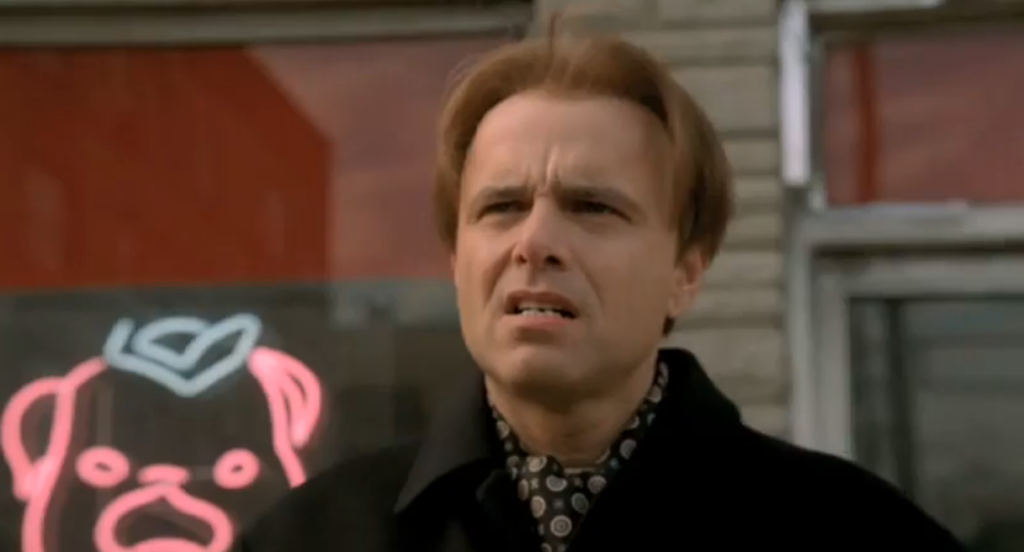
Ralphie is the villain you love to hate, but Season 4 humanizes him just enough to make his death disturbing. He is the smartest earner but a sociopath. His conflict with Tony over the horse highlights the hypocrisy of the mob: You can kill a stripper (Season 3), but you can’t kill a horse for insurance money without Tony taking the moral high ground
Episode-by-Episode Breakdown
1. For All Debts Public and Private The season opens with the economy of debt. Tony executes a “mercy” kill of a cop who allegedly killed his father, Dickie Moltisanti. It’s a masterclass in manipulation; Tony uses a lie (or a half-truth) to bind Christopher to him forever.
2. No-Show The boredom of the mob life sets in. Meadow is depressed, drifting away from her family. Christopher gets made acting capo, and it’s a disaster. The resentment in the crew begins to simmer.
3. Christopher Often criticized, this episode tackles Italian-American identity politics. While the Columbus Day subplot is clunky, the B-story is crucial: The wives feel marginalized, and Bobby Bacala suffers the devastating loss of his wife, Karen.
4. The Weight A standout episode. Ralphie makes that joke about Ginny Sack. Johnny Sack, the most romantic man in the show, nearly starts a war to defend his wife’s honor. It’s a brilliant juxtaposition: these men murder without blinking, but an insult to a wife’s weight is a capital offense.
5. Pie-O-My Tony finds solace in a stable. The horse becomes the only living thing he treats with genuine tenderness. We see Janice manipulating her way into Bobby Bacala’s life, preying on his grief like a vulture.
6. Everybody Hurts A study in depression. Tony learns his ex-goomar Gloria committed suicide, guilt-tripping him into a drunken stupor. He tries to be “good” by giving money away, but it’s just guilt money. Artie Bucco tries to play gangster and fails miserably, leading to a painful suicide attempt where Tony has to save him.
7. Watching Too Much Television The HUD scam is in full swing. Adriana tries to marry Christopher to avoid testifying, but the walls are closing in. We see the cynical nature of the mob: social programs meant for the poor are just another piggy bank for Tony.
8. Mergers and Acquisitions Tony begins an affair with Valentina, while Carmela begins her emotional affair with Furio. The tension in the Soprano kitchen is electric. Every glance between Carmela and Furio screams of a life she wishes she had.
9. Whoever Did This The pivot point. Ralphie’s son is injured, and Pie-O-My dies in a suspicious fire. Tony and Ralphie have a final, brutal confrontation. Tony kills their highest earner over a horse (and really, over Tracee). The body disposal scene is grotesque and tedious, stripping away any glamour left in the mob life.
10. The Strong, Silent Type Christopher hits rock bottom. The intervention scene is tragicomedy at its finest; the guys are furious not that he’s an addict, but that he “killed the dog” (accidentally sitting on Cosette). Chris goes to rehab, leaving Tony exposed.
11. Calling All Cars Tony is spiraling. He tries to leave Dr. Melfi, claiming therapy isn’t working. Bobby’s kids hold a seance. It’s a weird, dream-heavy episode that highlights Tony’s subconscious fear of “the big nothing.”
12. Eloise Everything snaps. Furio flees to Italy to avoid killing Tony. Carmela falls into a deep depression. Her anger finds a target in Meadow, leading to a vicious argument. The foundation of the house is cracking.
13. Whitecaps (The Finale) The masterpiece. Tony tries to buy a beach house (Whitecaps) to bribe Carmela back into complacency. But a phone call from a drunken ex-mistress (Irina) blows it all up. The ensuing fight is raw, ugly, and real. Carmela kicks Tony out. The season ends not with a whimper, but with the sound of a door slamming on a marriage.
Ending Explained: Whitecaps
The ending of Season 4 is a subversion of expectations. The audience expected a war with New York (Carmine vs. Johnny Sack). Tony even orders a hit on Carmine. But at the last second, they settle the business dispute. The “war” is cancelled.
Instead, the violence happens in the living room. The title “Whitecaps” refers to the turbulence on the surface of the ocean; a metaphor for the Soprano marriage. When Carmela reveals she fantasized about Furio, Tony punches the wall next to her head. It is the moment he loses his power over her. The final shot of Tony leaving the house, the camera panning away across the water, signifies his eviction from the one place he felt was his sanctuary. He is now truly alone.
Review: Why Season 4 is a Masterpiece
At the time, fans complained. “Nothing happens,” they said. “Where are the hits?”
They were wrong. Season 4 is the literary peak of the show. It commits fully to the thesis that The Sopranos is a show about the decline of American life. The writing is layered, refusing to offer easy resolutions. It takes guts to spend a whole season building up a mob war only to defuse it with a negotiation, solely to focus on a divorce.
Rating: 10/10. It contains the best acting of the series (Gandolfini and Falco in Whitecaps) and the most disturbing psychological horror (Whoever Did This). It transforms Tony from a charismatic anti-hero into a toxicity that destroys everything he touches.








Post Comment