The Tank (Der Tiger) Movie Explained | Recap and Review
Intro
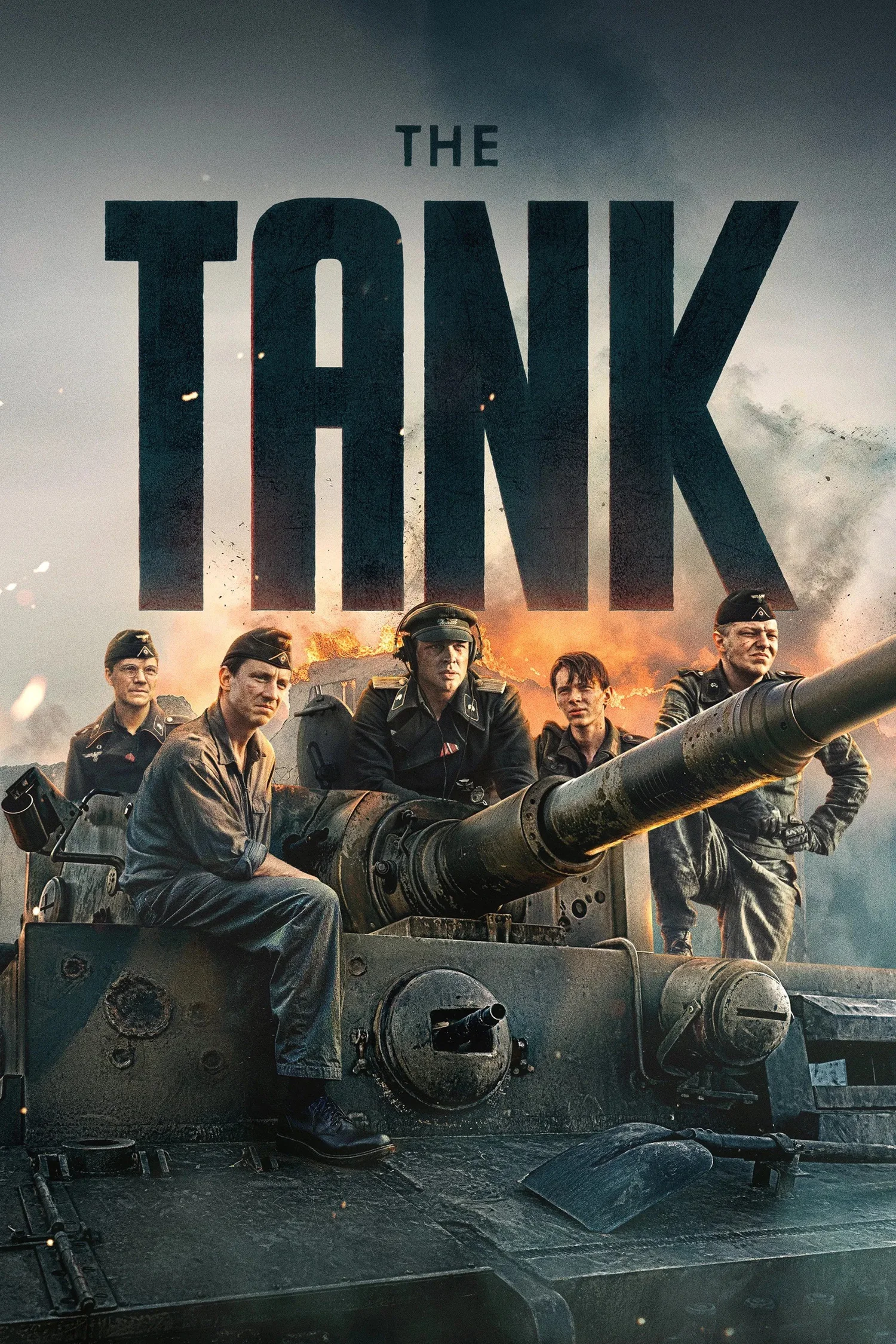
In 1943 on the Eastern Front, a German Tiger tank crew is ordered on a suicide mission behind enemy lines to rescue a high-ranking officer. However, fueled by military-grade methamphetamine (Pervitin) and guilt, their journey morphs into a surreal descent into madness where the enemy might not be the Russians, but their own souls.
Director: Dennis Gansel (The Wave)
Release Date: Jan 2, 2026 (Global Streaming on Prime Video)
Genre: War / Psychological Horror / Surrealism
Recap
The Ambush at the Bridge
The film opens with chaos. It is late 1943, and the Wehrmacht is retreating. A Tiger I tank crew, led by the intense Lieutenant Gerkens (David Schütter), is trying to cross a bridge over the Dnieper River. As they cross, the bridge is bombed by Soviet aircraft. The screen cuts to black amidst explosions and fire.
The Impossible Mission
Suddenly, the crew “wakes up” on the other side of the river. They seem to have survived miraculously. They are immediately intercepted by a mysterious senior officer who gives them a classified order: They must drive deep into Soviet territory to find and extract a missing legendary commander, Colonel Von Hardenburg (André Hennicke), who has gone rogue or missing in a sector known as “The Labyrinth.”
The Drug-Fueled Nightmare
To keep them awake and fighting, the crew consumes massive amounts of Pervitin (methamphetamine), a historically accurate detail of the German war machine. As the drugs take hold, the journey becomes disjointed.
The Vanishing Enemy: They fight Soviet tanks that appear out of nowhere and seem almost ghostly.
The Anomalies: The crew notices strange things—their watches have stopped. The sun barely seems to rise. They hear a Catholic mass broadcasting on the radio in the middle of Russia.
The War Crimes: They encounter scenes of brutality that force them to confront the atrocities they have committed or enabled. The camaraderie of the crew begins to fracture under the weight of paranoia and hallucinations.
Meeting the Colonel
They finally locate Von Hardenburg in a ruined, fog-drenched industrial complex. But the Colonel is not a prisoner. He is waiting for them. He acts less like a soldier and more like a judge, questioning Gerkens not about tactics, but about morality and the “weight” of what they have done.
The Ending Explained
The ending recontextualizes the entire movie, shifting it from a war film to a supernatural psychological horror.
1. The Twist: They Never Survived
In the final confrontation, reality collapses. It is revealed that the crew did not survive the opening scene. The bombing of the bridge killed them instantly.
2. The Mission was Purgatory (or Hell)
The entire “mission” to find Von Hardenburg was a collective death-dream or a passage through Hell/Purgatory.
The Drugs: The Pervitin wasn’t just making them high; it was the mechanism their dying brains used to rationalize the surreal transition into the afterlife.
The Colonel: Von Hardenburg represents a Charon-like figure (the ferryman of Hades) or perhaps Satan himself, there to assess their souls. He forces Gerkens to admit his guilt—specifically an incident where Gerkens ordered the killing of civilians in Stalingrad to save his own skin.
3. The Final Image
The movie ends with a smash cut back to the “reality” of the bridge. We see the burning wreckage of the Tiger tank sinking into the river. The crew is dead inside. However, in the spiritual realm, the tank continues to burn underwater, eternal and unextinguished. Gerkens and his crew are trapped in their iron coffin, doomed to relive the heat, the fire, and the guilt for eternity. They are not heroes; they are damned souls “haunting” the tank.
Review
1. A “Jacob’s Ladder” with Tanks
The film draws heavy inspiration from Jacob’s Ladder and An Occurrence at Owl Creek Bridge. It tricks the audience into watching a “men on a mission” movie, only to reveal it is actually a “souls in judgment” movie.
2. The Anti-War Stance
Director Dennis Gansel uses the supernatural twist to strip away the “glory” of the Wehrmacht. By revealing that their “heroic mission” was a lie, the film argues that there is no redemption for the Nazi war machine, only a repetitive cycle of death and fire.
3. The Methamphetamine Metaphor
The heavy focus on drug use serves a dual purpose. Historically, it explains the fanaticism of soldiers. Narratively, it blurs the line between drug-induced psychosis and supernatural punishment, keeping the viewer guessing until the final frame.
Where to Watch The Tank (Der Tiger)
Is the viral German war thriller streaming on Netflix or Prime Video?
If you have been hearing about the mind-bending new German war movie “The Tank” (originally titled Der Tiger), you aren’t alone. Since its global release in January 2026, this psychological thriller has dominated social media discussions for its shocking twist ending.
Here is exactly where you can stream it right now.
1. The Exclusive Home: Amazon Prime Video
“The Tank” is an Amazon Original movie.
👉 Watch The Tank on Amazon:
- Status: Streaming Now (Global).
- Cost: Included with your Prime membership (Free).
- Format: Available in 4K UHD with HDR.
- Audio Options: We highly recommend watching with the original German audio and English subtitles for the best acting experience, though an English dub is available.
2. Is it on Netflix?
No. Because this is an Amazon MGM Studios production, it will not be coming to Netflix, Hulu, or Disney+. It is exclusive to the Prime Video ecosystem.
3. How to Find It (Search Tip)
If you are having trouble finding it, try searching by its original German title: “Der Tiger”.
Note: Do not confuse this with the 2023 New Zealand creature-feature also called The Tank. Look for the poster featuring a Tiger I Tank and actor David Schütter.
Verdict: Is it Worth the Watch?
If you liked All Quiet on the Western Front but wished it had a psychological horror twist like Shutter Island, this is a must-watch. It’s a 2-hour descent into madness that redefines the tank warfare genre.