The Lincoln Lawyer: Complete Recap & Ending Explained | Season 1,2,3,4
Story Inspiration
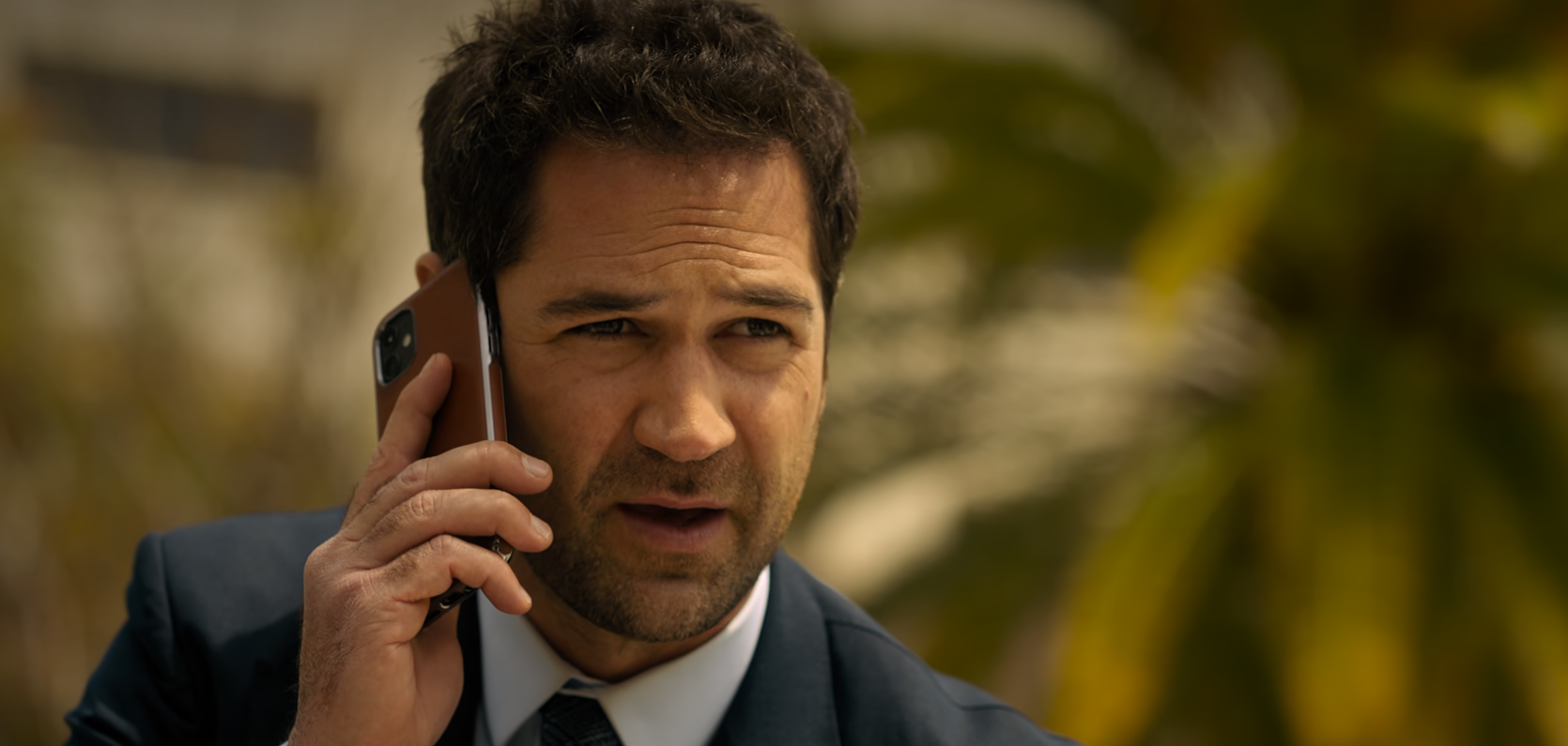
The Lincoln Lawyer is based on the book The Brass Verdict by Michael Connelly, featuring Mickey Haller, a defense attorney who runs his practice out of the backseat of a Lincoln Town Car. The show blends legal drama, mystery, and action with compelling character development.

Season 1 Recap
Mickey Haller, the titular “Lincoln Lawyer,” has been struggling to get back into the legal field after a lengthy absence caused by a surfing accident and subsequent painkiller addiction. At the beginning of the series, Haller is handed an unexpected opportunity when Jerry Vincent, a well-known attorney, is murdered, and Haller inherits all of Vincent’s cases, including a high-profile murder trial.
The season focuses on Haller’s efforts to solve the murder of his colleague while simultaneously defending Trevor Elliott, a wealthy tech CEO accused of murdering his wife and her lover. Haller, aided by his ex-wife Maggie McPherson, his investigator Cisco, and his second ex-wife/office manager Lorna, navigates the legal challenges of defending his clients while being drawn deeper into Vincent’s murder mystery.
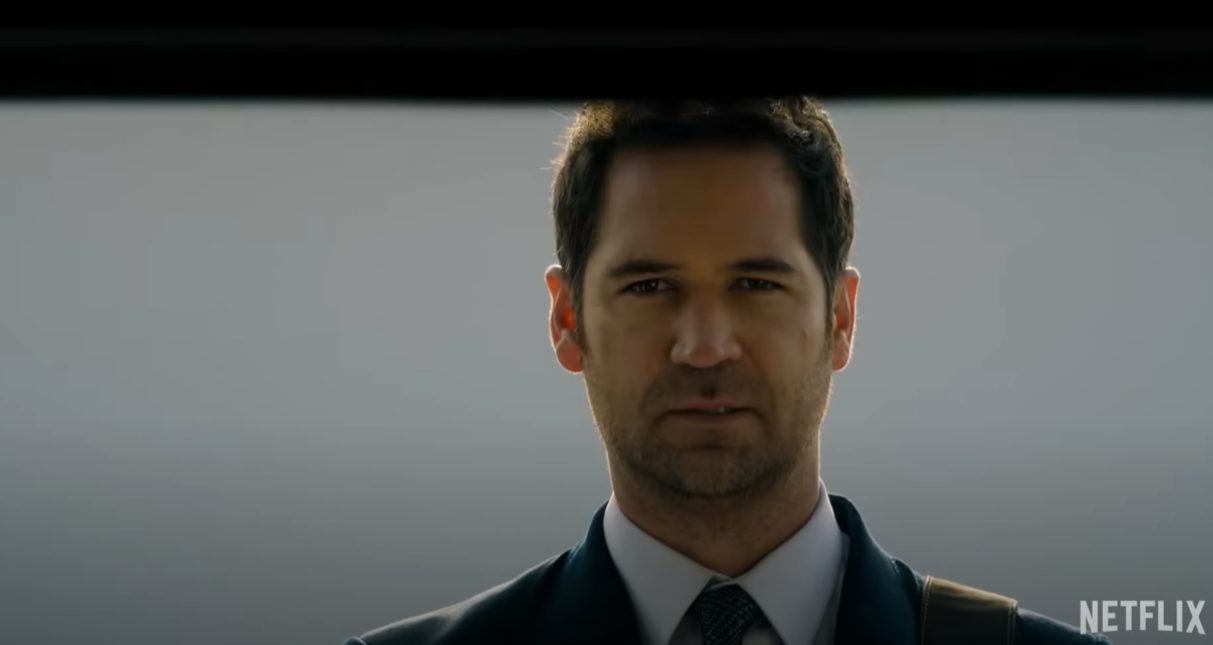
Haller’s investigation into Jerry Vincent’s death reveals a conspiracy involving powerful individuals and corruption within the legal system. It becomes clear that Vincent’s death was not random, and there are people who don’t want Haller to dig too deep into the case.
Key Characters
Mickey Haller (played by Manuel Garcia-Rulfo): A charismatic and clever defense attorney with a turbulent personal life, Haller runs his law practice from a Lincoln Town Car, hence his nickname.
Trevor Elliott (played by Christopher Gorham): A tech billionaire accused of killing his wife and her lover. His case is the season’s central trial.
Maggie McPherson (Neve Campbell): Haller’s first ex-wife and a prosecutor. She’s also the mother of his teenage daughter and becomes entwined in his legal battles.
Cisco (Angus Sampson): Mickey’s loyal investigator who helps him with various cases.
Lorna Crain (Becki Newton): Haller’s second ex-wife and current office manager who is instrumental in helping with the business side of the firm.
The Trevor Elliott Case
Trevor is accused of killing his wife and her lover. He maintains his innocence, and much of the season revolves around Haller’s efforts to uncover the truth behind the crime. As the case unfolds, Haller finds it increasingly difficult to trust Trevor, whose motivations and truths are murky.
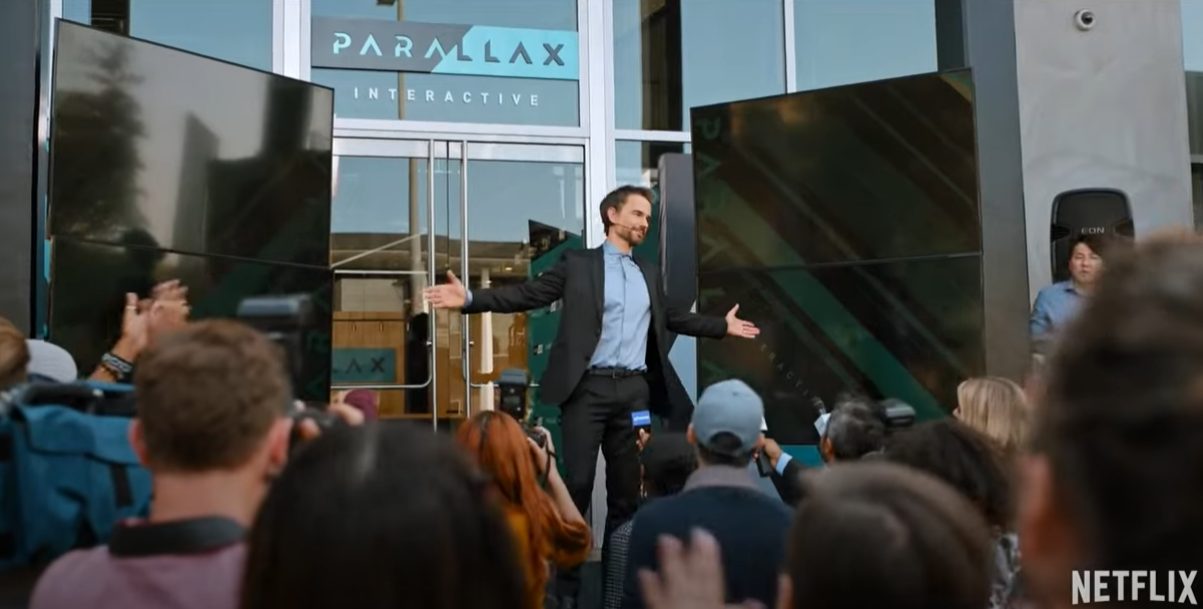
The season builds to the conclusion of the Trevor Elliott trial, with Haller uncovering a shocking twist about who was truly responsible for the murders. The trial ends with unexpected revelations that reshape the case and leave both Haller and the audience questioning Trevor’s true nature.
Ending Explained
The season finale reveals a deeper connection between the murder of Jerry Vincent and the broader conspiracy that stretches into Haller’s own life. The show ends on a tense cliffhanger, setting up mysteries and conflicts to be addressed in future seasons.
In the final courtroom scene, Haller successfully convinces the jury to find Trevor not guilty. Trevor is acquitted of the double murder, primarily due to Haller’s argument that the case lacked sufficient proof and reasonable doubt still existed. This seems like a major victory for Haller, but the celebration doesn’t last long.
Shortly after the acquittal, Haller uncovers the truth about Trevor: he actually did commit the murders. Trevor orchestrated the killings of his wife and her lover and had been manipulating Haller and the system the entire time. The murders were motivated by the discovery that his wife was about to leave him, which would have impacted his career and finances.
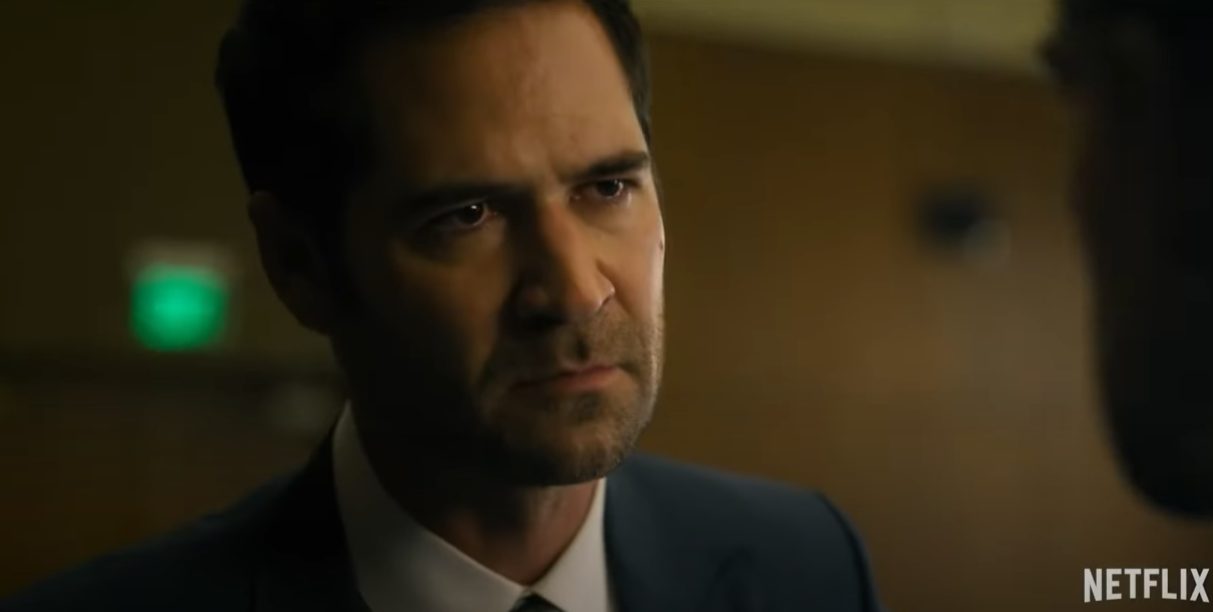
This twist highlights Trevor’s cold and calculating nature, as he played the legal system perfectly. Just as this truth comes to light, Trevor is killed by one of his own associates (Gloria Dayton, a sex worker Haller previously helped), effectively delivering a form of street justice after the legal system failed.
Parallel to the Trevor Elliott trial, Haller investigates the murder of Jerry Vincent, the attorney whose caseload Haller inherited. This subplot leads to the discovery of a conspiracy involving a corrupt judge, Mary Holder, and a criminal organization that was involved in rigging trials for their own benefit.
Haller uncovers that Judge Holder was the mastermind behind Vincent’s murder. Vincent knew too much about Holder’s corruption, so he was silenced. Vincent’s death was intended to cover up Holder’s involvement in the larger conspiracy.
Haller confronts Judge Holder, presenting her with enough evidence to expose her misdeeds. As the season ends, it is clear that Judge Holder’s time as a corrupt force in the justice system is about to come to an end, but the exact consequences are left unresolved, setting up potential storylines for future seasons.
The season ends on a suspenseful note, hinting at further intrigue. A mysterious tattooed man who has been observing Haller from a distance throughout the season is seen again in the final moments. His presence signals that Haller’s problems are far from over, suggesting there is more danger and unresolved business in the criminal underworld that could impact Haller’s life moving forward.
The ending emphasizes one of the season’s central themes — the justice system is flawed and can be manipulated by those with power and cunning, like Trevor Elliott. While Haller secures a legal victory, the moral cost is heavy as he realizes he defended a guilty man.
Season 2 Recap
In The Lincoln Lawyer Season 2, Mickey Haller finds himself caught up in a complex murder case involving Lisa Trammell, a restaurant owner and his new romantic interest. After her public protests against a billionaire developer, Mitchell Bondurant, Lisa becomes the prime suspect when Bondurant is found murdered. Evidence mounts against her, including her presence near the crime scene and the discovery of Bondurant’s blood on her gardening gloves. Despite these damning clues, Mickey fights to prove her innocence, convinced that she’s being framed by Alex Grant, who has connections to organized crime.
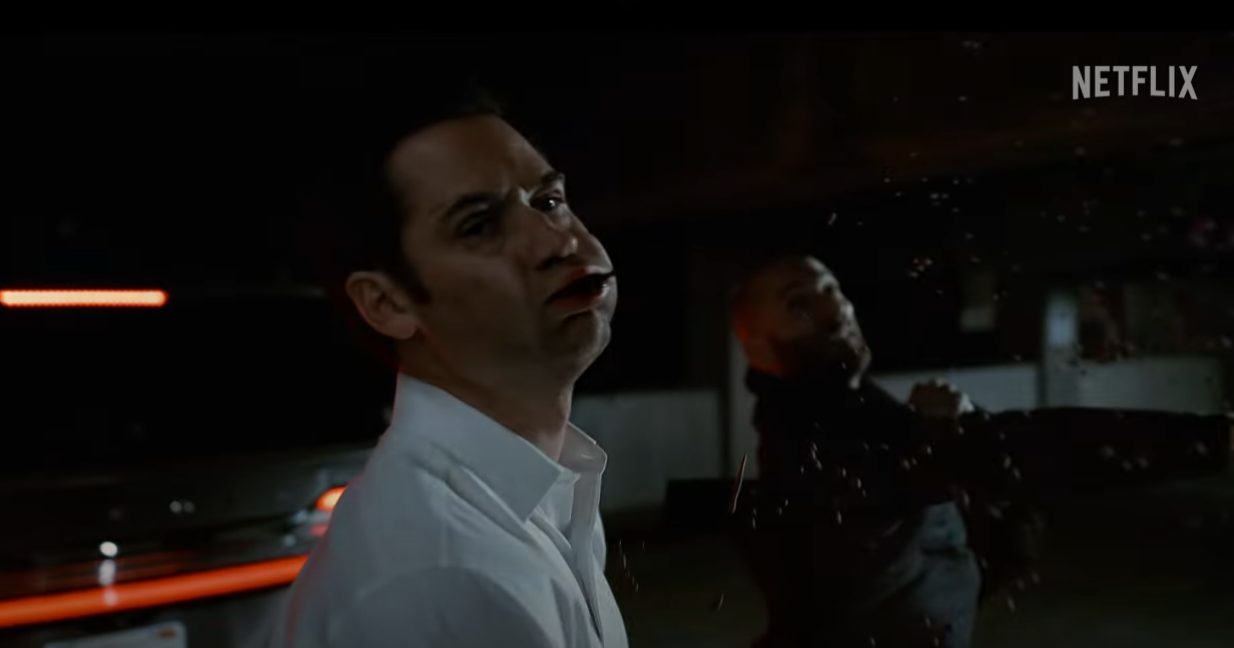
Mickey eventually manages to exonerate Lisa, proving that she wasn’t responsible for Bondurant’s murder, but a darker truth emerges. While Lisa didn’t kill Bondurant, Mickey uncovers that she may have been involved in a separate crime—hiring someone to pose as her ex-husband. This revelation casts a shadow over their relationship, and Mickey ends up firing her as a client, though their romantic entanglement briefly resumes.
Meanwhile, Mickey deals with personal challenges, including the departure of his ex-wife, Maggie, who moves to San Diego for a new job. His personal and professional lives continue to collide as new threats loom on the horizon, including the potential retaliation from criminal figures connected to his cases.
The season closes with a cliffhanger, when one of Mickey’s key allies, Gloria Dayton, is found murdered, leaving unresolved questions about her connection to a dangerous underworld figure, Russell Lawson. This leaves the door open for further intrigue in upcoming seasons.
Ending Explained
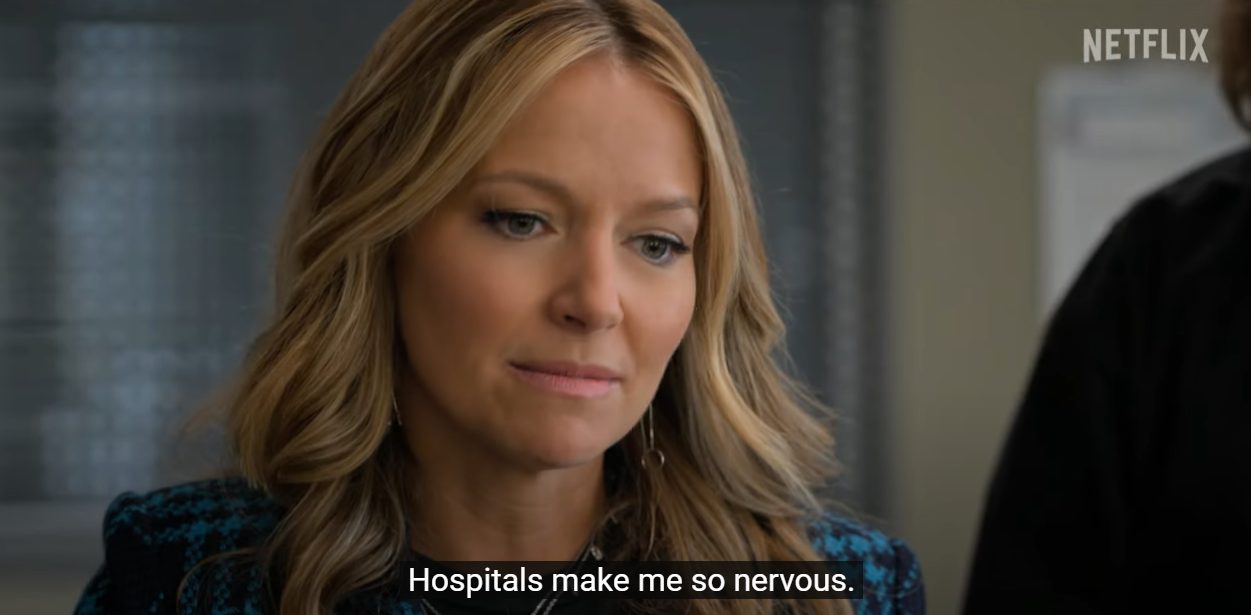
The ending reveals that while Lisa didn’t kill Bondurant, she wasn’t entirely innocent either. Mickey discovers that Lisa had hired an actor to pose as her ex-husband Jeff. This deception hints that she was hiding something darker about her past, though not directly related to Bondurant’s murder. Despite winning the case, Mickey realizes that Lisa isn’t the person he thought she was. This creates moral conflict for him, as he’s now aware that while he helped her legally, she might still be morally compromised.
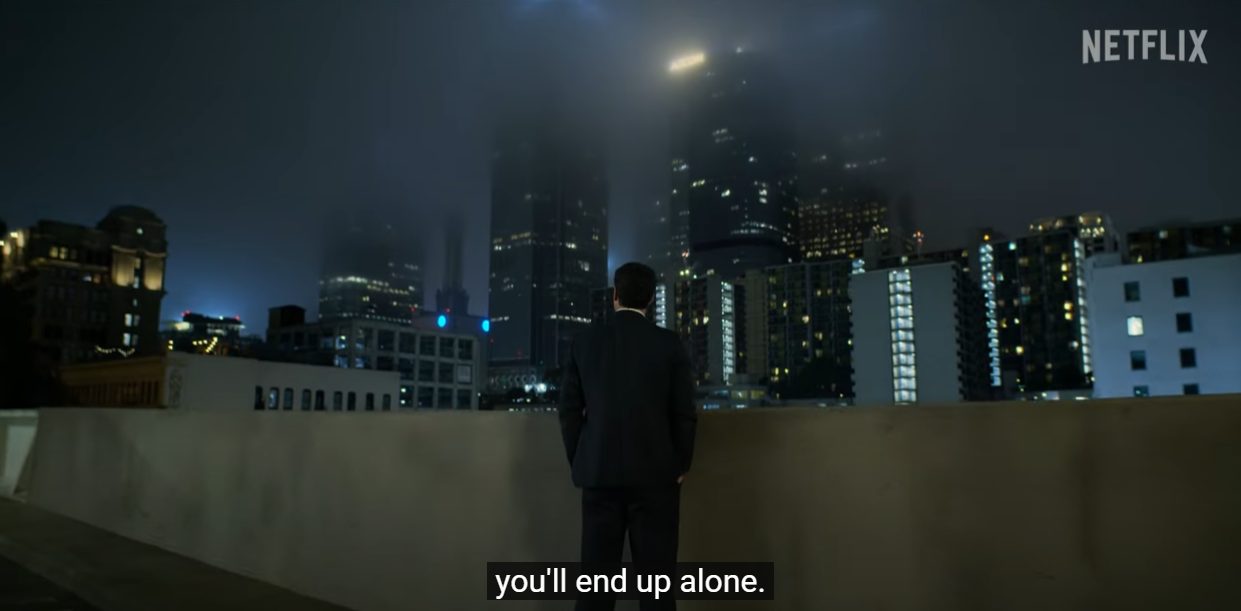
Mickey’s personal life also faces significant changes. His ex-wife Maggie McPherson, who has been struggling with her career, decides to leave Los Angeles for a new job with the San Diego District Attorney’s office. This puts distance between her and Mickey, but she will continue to co-parent their daughter Hayley, meaning they will still have ties. Maggie’s exit creates a sense of emotional finality between her and Mickey, marking a turning point in his personal relationships.
In a shocking twist, the season ends with the murder of Gloria Dayton (also known as Glory Days), a key witness who helped Mickey exonerate another client earlier in the season. Mickey is pulled into a new murder case when Gloria is found dead. This sets up a major plotline for future seasons, with Mickey possibly facing new dangers tied to organized crime and the murder of someone close to him.
Season 1 and Season 2 Takeaways
Judges and jury members are all subject to bribery, tampering and extortion`. It was revealed that the judge holder who was supervising Mickey first to be the one who tampered with the jury selection in Trevor Elliot’s case.
Mickey is a good lawyer but he always ends up defending for the bad guys 🙂 Trevor and Lisa are the perfect examples. He acquitted Trevor who turned out to be the real murderer of his wife and Lisa who although was not the murder in the case of Bondurant’s murder she killed her husband and buried him in her restaurant which she refused to sell to Bondurant (as part of his construction project in her neighborhood) and got her involved in his murder case.
Season 3 Recap
Season 3 of The Lincoln Lawyer delves deeper into the complex life of Mickey Haller (played by Manuel Garcia-Rulfo) as he takes on one of his toughest cases yet, which involves the murder of his former client and friend, Gloria Dayton, also known as “Glory Days.” This season is an adaptation of Michael Connelly’s book The Gods of Guilt, and it delivers intense courtroom drama, conspiracies, and personal stakes for Haller.
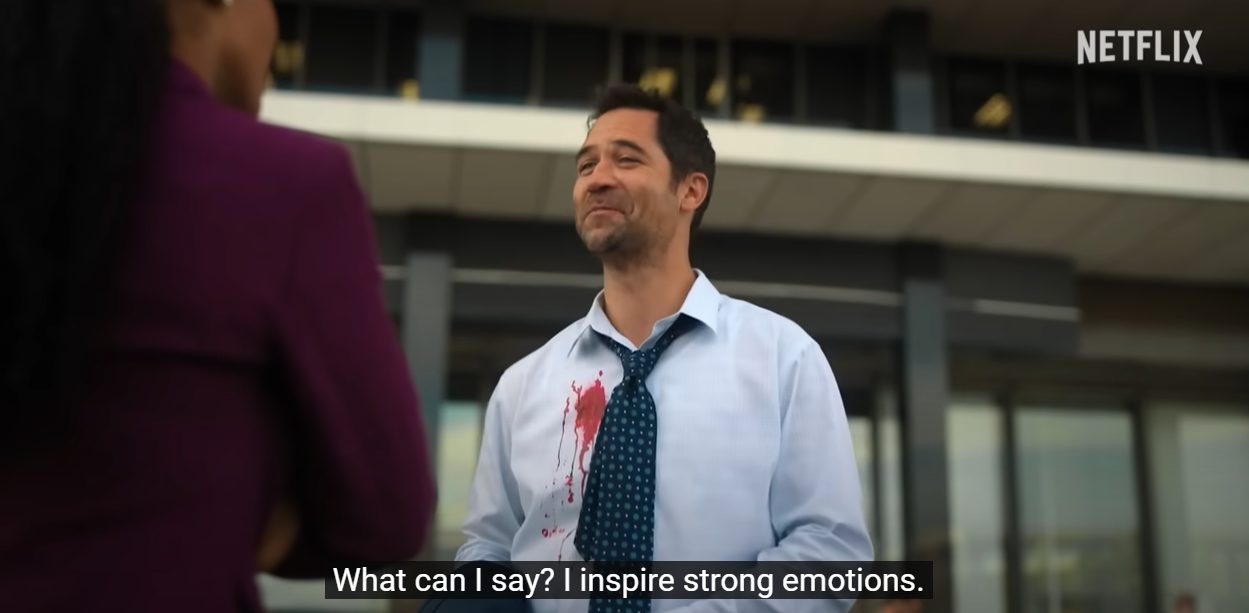
At the heart of the season is the trial of Julian La Cosse, a former client accused of murdering Gloria. Mickey is convinced Julian is innocent and sets out to prove it, but he quickly discovers a broader conspiracy involving the DEA and corrupt officials. Key players include DEA Agent James DeMarco, whose dirty dealings with cartel leader Hector Moya led to Gloria’s death. Mickey’s investigation reveals that DeMarco, not Julian, is responsible for the murder. DeMarco’s actions were part of a cover-up for his illegal activities.
The season isn’t just about the trial, though. Mickey’s personal life is once again thrown into turmoil. His new driver, Eddie, tragically dies in an attack meant for Mickey, and Neil Bishop, another key witness, dies by suicide after testifying against DeMarco, fearing retribution. These events heighten the tension, leaving Mickey questioning his safety and the world he operates in.
The final episode delivers a shocking twist: after successfully clearing Julian of the charges, Mickey is arrested when a dead body is found in his car trunk—his old adversary, Sam Scales. This cliffhanger sets up a potential fourth season, where Mickey might have to defend himself, echoing the storyline of Connelly’s The Law of Innocence.
Overall, Season 3 explores Mickey’s guilt over past decisions and forces him to confront the darker side of his profession, while maintaining the fast-paced legal drama that fans love.
Season 3 Ending Explained
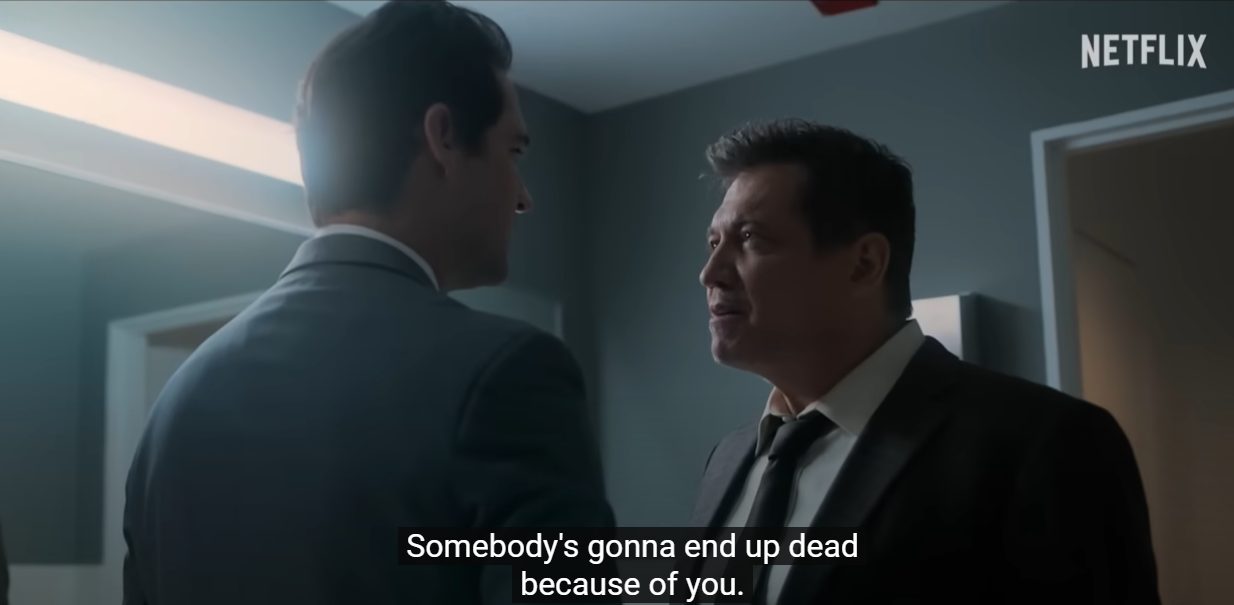
With eyes on the courtoom, the final episode brings resolution as Mickey exonerates Julian from his charges by having Bishop tesifies against DEA agent De Marco, who fled the scene afterwards, and we see the jury brings the charges down thus freeing Julian.
Mickey isn’t done yet and is set to bring charges against the DEA so he has Cisco collect all the evidence against De Marco and his dealings with the Tijuana cartel which led to the murder of Glory days to keep her slient. The DEA offers Mickey and Julian a deal that amounts to millions of dollars (the amount wasn’t literally disclosed).

As Mickey, Lorna, Cisco and Izzy enjoy the victory while having a dinner, Mickey decides that he will take a vacation and we see him leaving the restaurant and riding his car enjoying the peace after the battle until of all of the sudden, he is pulled over by the LAPD and is asked to give his license and registration. The officer sees a droplet of blood trickleing down the car’s trunk therefore he handcuffs Mickey and opens the trunk only to find the body of Sam Scales which was a total shock to Mickey. Aparently, someone from the Tijuana cartel set Mickey up since the case of Julian freed not only Julian but also Hector Moya who is the Tijuana cartel classic foe. The Tijuana cartel now has their classic enemy back in the streets and they want to take revenge against Mickey, at least that what appears to be the reason for the corpse found in the trunk. Lets wait till season 4 :).
Season 4 Recap
Picking up immediately from the cliffhanger, Mickey is booked into the Twin Towers Correctional Facility (Inmate #7211956). He is no longer the lawyer; he is the defendant.
Mickey realizes the body in his trunk was planted to neutralize him. He decides to represent himself (Pro Se) from inside the jail.
The season focuses on Mickey surviving prison politics while trying to run a defense team on the outside (Lorna, Cisco, and Izzy).
The defense hinges on proving how the body got into the car. Cisco discovers that Mickey’s car was tampered with in a secure garage, pointing to a high-level conspiracy potentially involving the remnants of the cartel or a rival legal faction.
Where is Legal?
One of the few people who truly understands Mickey , maybe even better than he understands himself , is his longtime mentor, David “Legal” Siegel. A former partner of Mickey’s late father, Legal has always been a stabilizing force in Mickey’s life, offering wisdom, humor, and a deep respect for the law. But Episode 6 raises the emotional stakes when Legal suddenly dies.
After the prosecution discovers that Sam Scales owed Mickey legal fees, they file a new first-degree murder indictment with financial motive. Judge Lionel Stone presents Mickey with a brutal choice: keep bail but waive his right to a speedy trial, or return to jail and preserve the fast timeline. Mickey initially chooses the speedy trial without hesitation until he learns that Legal has died of a heart attack. Going back to jail means missing his mentor’s funeral, but even in grief, Mickey refuses to delay the trial.
Episode 7 begins with a dream sequence where Legal visits Mickey one last time. When Mickey asks how he’ll move forward without him, Legal delivers a simple truth: the same way he always has — by figuring it out. The loss hits hard because Legal functioned as a surrogate father, someone Mickey always relied on when navigating difficult cases. Now, he must stand on his own.
The showrunners also highlighted how meaningful Elliott Gould’s presence was, especially given his connection to classic California noir films that inspired the show’s tone. Even so, Legal’s appearance in Mickey’s dream leaves the door open for future returns through flashbacks or visions.
Ending Explained | What happens to Mickey and Who murdered Sam Scales
Meanwhile, Mickey’s investigation into Sam Scales uncovers a tangled web. Under the alias Kirk Lennon, Sam had recently obtained a commercial driver’s license and launched AirKing Trucking. Its only client: BioGreen, a company claiming to convert bio-waste into fuel. But Mickey quickly realizes the pattern where there’s money, there’s fraud, and where there’s fraud, there’s Sam.
The case ties back to Season 2. Mickey previously defended Lisa Trammell, who was framed for murder by shady developer Alex Grant. At the time, Grant invoked the Fifth and destroyed his own reputation. Years later, Mickey discovers that Grant now operating under the name Alex Gazarian , is tied to Sam’s biofuel scam.
When Mickey subpoenas FBI records, federal agents retaliate with intimidation. One of them, Felix Vasquez, is the same agent who previously investigated Grant. Soon, Mickey’s team connects the dots: Gazarian and Sam were partners, with BioGreen owned by Gazarian’s girlfriend, Jeanine Ferrigno. Mickey begins to suspect revenge , believing Sam may have been talking to the FBI behind Gazarian’s back.
In the finale, Mickey is kidnapped by his own police escort and taken to an abandoned train yard. There, Agent Dawn Ruth confirms his suspicions: Sam was indeed an FBI informant. The problem? If that truth comes out in court, it could destroy a massive federal investigation into organized crime biofuel scams operating nationwide. The FBI pressures Mickey to stay silent even if it means he takes the fall.
Mickey was partly right: Gazarian did have Sam killed and framed Mickey. But the motive wasn’t betrayal , it was greed. After Gazarian is later murdered by mob associates, Jeanine reveals the truth: Sam had been skimming money from their operation. As Maggie puts it, Sam was scamming the scammers.
So does Mickey win?
Not exactly but he clears his name. With Gazarian dead, Mickey’s only path to freedom is Jeanine’s testimony. But she fears mob retaliation. Using a strategic bluff, Mickey convinces the FBI she will testify, forcing the district attorney into a corner.
Behind closed doors, the DA offers a deal: charges will be dropped if Mickey stays silent until the federal investigation concludes. But silence isn’t enough for him. Mickey insists on public exoneration , he refuses to live with doubt hanging over his reputation. Ultimately, the DA agrees. Jeanine enters protective custody, and Mickey is officially cleared.
In one of the season’s most emotional moments, Mickey breaks down in Maggie’s arms at the courthouse. The quiet, understated scene emphasizes how close he came to losing everything and how deeply the experience changed him.
By the end of Season 4, Mickey has a new understanding of the justice system’s flaws. Being wrongfully accused and jailed reshapes him in a way representing clients never could. Still, life slowly returns to normal. He shares a warm moment at home with Maggie and their daughter, Hayley, hinting at unresolved feelings between him and Maggie. Their future remains uncertain, though the emotional bond is clearly still there.
But the calm doesn’t last.
In the final scene, Mickey stops at a grocery store and notices a mysterious woman watching him. Moments later, gunfire erupts. She pushes him out of the way, saving his life, as Agent Ruth reveals the Armenian mob is still targeting him. After the threat is neutralized, Mickey asks who she is.
Her answer delivers the season’s shocking cliffhanger:
She claims to be his sister.
The Lincoln Lawyer Review | Overall Thoughts
Unlike other legal dramas that focus on emotional speeches, The Lincoln Lawyer focuses on tactics. We love watching Mickey find a loophole in a discovery file or trap a witness in a lie. It satisfies the viewer’s need to see an expert at work.
Mickey is a hero, but he defends scumbags. Season 1 and 2 emphasized that his clients (Trevor and Lisa) were actually bad people, even if they were innocent of the specific crime on trial. This keeps the audience guessing: “Is he saving a monster?”
The show captures the specific vibe of Los Angeles—the traffic, the food trucks, the bright sun hiding dark secrets. It’s not the rainy, dark Gotham of Batman; it’s a terrifyingly bright world where you can be murdered in a convertible on a beautiful day.
The Lincoln Lawyer is the best legal procedural of the 2020s because it understands that the most interesting part of the law is the game.
Mickey Character and Quotes
Quote [1]
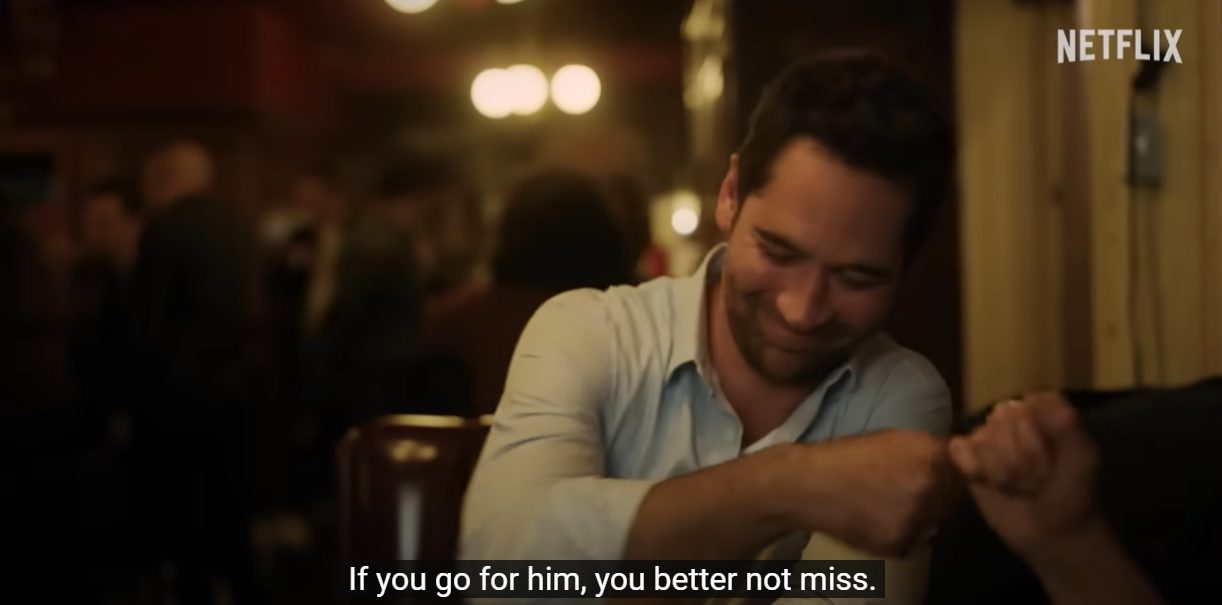
Mickey says he tries to leave his client better off than when he found them. He has a hard time telling [Hayley] what clients he wouldn’t represent because everyone is entitled to competent and effective counsel
Quote [2]
I can win almost any case as long as I know what I’m dealing with.
Quote [3]
A pretty good lawyer wouldn’t go to trial with nothing, would he?
Quote [4]
I mean, we are talking about whether or not you go to prison for the rest of your life, Trevor, and you couldn’t make time to meet with me.
Quote [5]
One thing I know, in court success is all about momentum.
Quote [6]
Before you can win, you gotta act like you can win, which means you gotta believe you can win.
Quote [7]
Opening statements are special. It’s your time to bond with the jury, but go on too long, you’ll lose them.
Quote [8]
If your client is the hero of the story, sometimes you gotta give the jury a villain too.
Quote [9]
You played me, Trevor. I don’t get played.
Quote [10]
Something happens to me or my family, it’ll go to places you don’t want it to.
Quote [11]
Okay, let’s be clear on something, Lisa is a client. Nothing more, nothing less. Like any client, she deserves our full scrutiny. Yu think she’s guilty? Go ahead, make your case.
Maggie Character and Quotes
Quote [1]
The only thing I’ll regret is not putting this guy away while I have the chance.
Quote [2]
Some lawyers, they can just leave it at the office. Lock it up, get on with their lives. It’s not me. It’s certainly not you.
Quote [3]
You want me to trust you again? Then start by trusting me.
Lisa Character and Quotes
Quote [1]
The fastest way to a man’s heart is through excessive flirting and a to-go box of Korean short ribs.
Lorna Quotes and Character
Quote [1]
If I keep pulling all-nighters, you’re going to have to carry me down the aisle
Quote [2]
I’m telling you, he thrives on this.
Quote [3]
That Wasn’t Meant For You. But If You Heard Me, You Heard Me.
Cisco, Mickey’s Investigator
Quote [1]
Innocent till proven guilty. It’s a fundamental tenet of our justice system.
Quote [2]
You didn’t hire me just to tell you what you want to hear.
Quote [3]
I left a motorcycle club to work for you, and somehow, my life has gotten even crazier.
Trevor Elliot Character and Quotes
As we see in season 1, Trevor was revealed to be the true killer of his wife and was able to orchestrate the murder using his drone so that no blood or other evidence would be found to incriminate him. He used his wife’s coding skills to develop the games his company produces and builds his fortune while keeping her in the shades. He decided to kill her with her lover when she decided to reveal everything and come forward. Trevor also lied to Mickey about connections and ties to the Russian mafia to coerce him for defense. Trevor was shot dead in season 1 finale by one of the yoga instructors’ clients.
Quote [1]
This is your one shot. So, you better take it, or I will find someone else who will, even if I have to represent myself.
Quote [2]
People see a rich guy hiding behind a wall of suits, and they automatically think you’re guilty.
Quote [3]
There’s two juries, Mickey. The one in the courthouse, and the Twitter Mob outside.














Post Comment