Siccin Movie Explained | Review & Recap
Where to Watch Siccin
If you are a horror aficionado, you have likely heard the whispers. Siccin is a cultural phenomenon that redefined Islamic horror. Directed by Alper Mestçi, this franchise moves beyond standard jump scares into the realm of Djinn, black magic (sihir), and family tragedies that feel uncomfortably real.
But in 2026, finding international horror can be a labyrinth. Licensing deals shift, platforms merge, and geoblocks get tighter. As your resident streaming expert, I have tracked down exactly where you can legally stream the Siccin saga, whether you are in Istanbul, London, or New York.
1. The Best Option for High Quality: Amazon Prime Video
For most global audiences, Amazon Prime Video remains the primary home for the Siccin franchise.
Region: Global (Strongest availability in Turkey, Europe, and parts of the US).
Availability: Usually hosts Siccin 1 through Siccin 6.
Why Watch Here? Prime Video typically offers the highest bitrate (1080p/4K) and reliable subtitle options in English, German, and French. If you want the full atmospheric experience of the chanting and the shadows, do not rely on low-res pirated streams; use Prime.
Pro Tip: If you cannot find it on your local Prime listing, it is likely due to geo-locking. This is common with regional horror licenses.
2. The Free & Official Route: YouTube (Muhteşem Film)
Surprisingly, the production studio behind the franchise, Muhteşem Film, is incredibly generous with their back catalog. They have recognized their global cult following and made access easier than most Hollywood studios.
Platform: YouTube (Official Channel: Muhteşem Film).
Availability: Siccin 1 through Siccin 6 are often available to watch for free.
The Perk: The studio often uploads “Full Movie” versions that include hard-coded English subtitles (and often Spanish/Arabic/German).
The Catch: You might have to deal with YouTube ads interrupting the tension. Nothing ruins a Djinn possession scene quite like a Grammarly commercial.
3. For the Newest Release: Siccin 7 (Apple TV / iTunes)
Released in mid-2024, Siccin 7 is the newest entry and might not be on free platforms or subscription services yet, depending on your region.
Platform: Apple TV+ (Transaction/Rental Store).
Model: Rent or Buy.
Why pay? Siccin 7 upped the production value significantly. The sound design alone is worth the $3.99 rental fee. It’s currently the most reliable place to find the latest installment in 4K.
4. Is Siccin on Netflix?
As of early 2026, the answer is generally No. While Netflix has aggressively acquired Turkish dramas (like The Protector or The Gift), they have been slower to license the Siccin franchise. They tend to carry the Dabbe series (another Alper Mestçi project) more frequently. Do not subscribe to Netflix solely for Siccin; you will likely be disappointed.
Viewing Order Guide
While the movies are largely anthological (meaning you can watch them out of order), there is a loose narrative thread regarding the specific curses and the nature of the Djinn.
- Siccin (2014): The classic jealousy/love spell plot. Must Watch.
- Siccin 2 (2015): Often considered the most tragic/emotional entry.
- Siccin 3: Cürmü Aşk (2016): A “Romeo and Juliet” style horror. Divisive but stylish.
- Siccin 4, 5, 6: These expand the lore significantly.
- Siccin 7 (2024): The modern revival.
Siccin 1
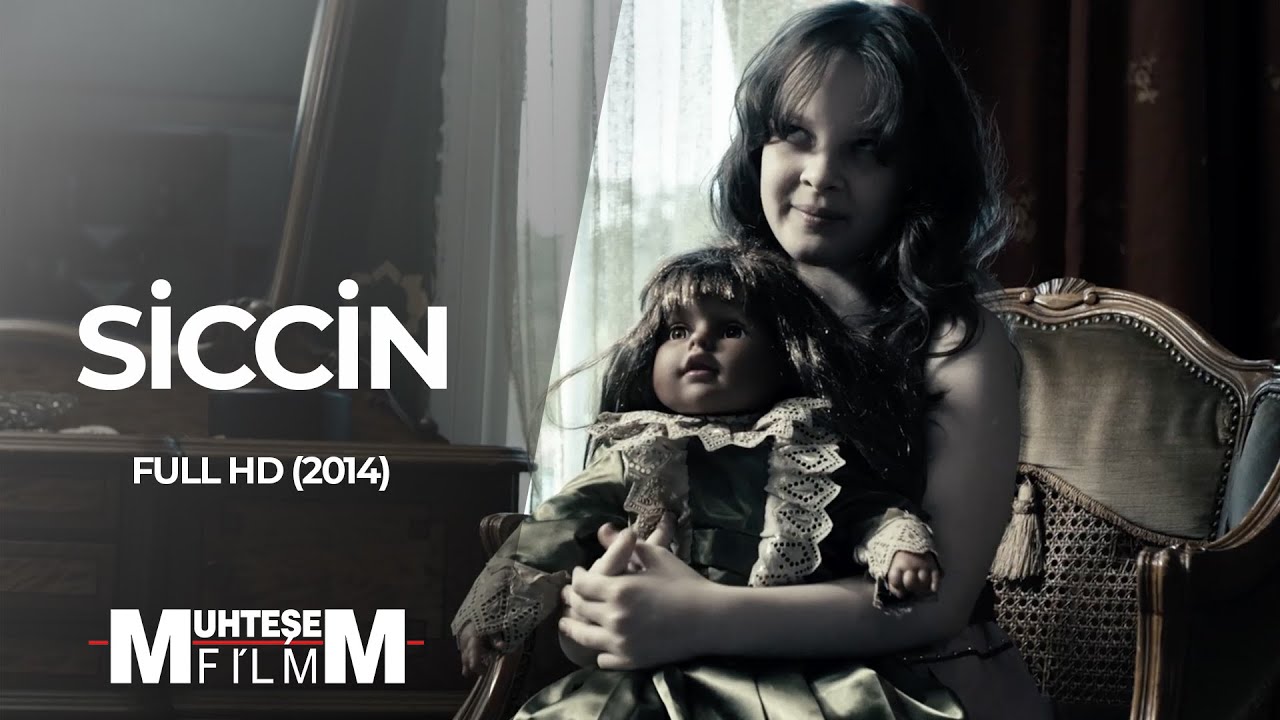
Siccin is a Turkish horror movie directed by Alper Mestçi, known for exploring themes of Islamic spirituality, jinn, and black magic. The first installment of the Siccin series introduces audiences to a gripping tale of love, betrayal, and the horrific consequences of tampering with forbidden rituals. Here’s a detailed explanation of the movie:
Recap
The title Siccin refers to an Islamic term (from the Quran, Surah Al-Mutaffifin) often interpreted as a “dungeon” in Hell or a register where the deeds of the wicked are recorded. The film uses this concept to explore the idea that evil is not just an external force, but a record of one’s own sins.
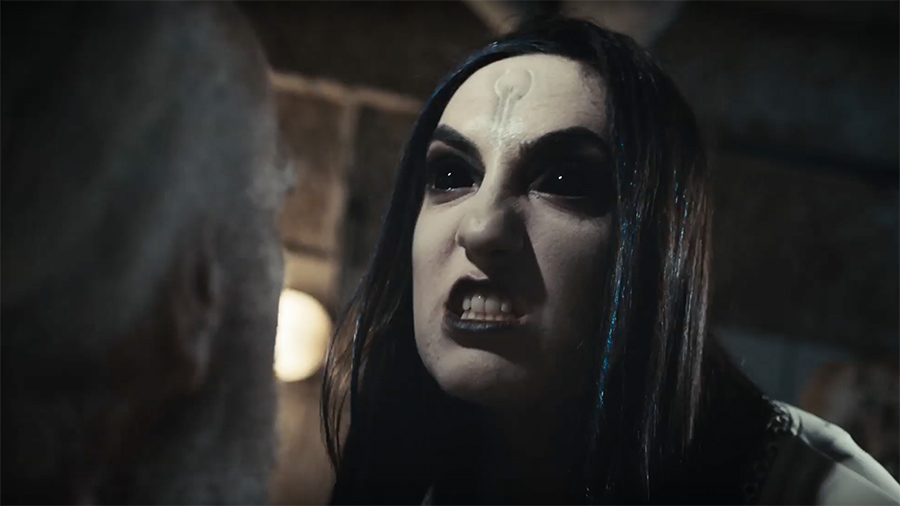
Öznur, a young woman consumed by obsessive love for her cousin Kudret. Kudret is happily married to Nisa and has a blind daughter, Ceyda. When Kudret rejects Öznur’s advances and ends their illicit affair, Öznur turns to a powerful sorcerer to cast a spell that will kill Nisa in five nights, leaving Kudret free to be hers.
The film functions as a “countdown to destruction,” structured around the 5-night duration of the curse.
We open with the desperation of Öznur. After being violently rejected by Kudret, she visits a shaman-like figure in a desolate village.
This is one of the most visceral scenes in Turkish horror. The spell requires specific, grotesque ingredients: the blood of a pig (haram/forbidden in Islam) and a bone from a corpse. The sorcerer warns her: the spell attacks the victim’s “blood,” and once started, it cannot be stopped.
As the spell takes hold, the entity begins to dismantle Nisa’s household.
The Mother-in-Law: The first victim is Nisa’s mother. In a shocking sequence, she enters the kitchen in a trance and pours a pot of boiling soup over her own head. It is a moment of pure, unadulterated shock that signals the demon’s presence.
Nisa’s Descent: Nisa begins to see shadows. She hallucinates demonic figures and snakes. The domestic safety of her home is eroded. The entity targets her vulnerability—her love for her blind daughter and her faith.
By the third and fourth nights, Nisa is fully compromised. She becomes violent and unrecognizable. Kudret, realizing this is not a medical issue, calls in an Imam (Hodja) to perform a Ruqyah (exorcism).
The exorcism scene is intense. The Hodja recites verses to burn the Djinn, but the entity is incredibly powerful because it was invited by a “blood relative.”
Key Scenes
The Black Magic Ritual: Öznur’s initiation into Siccin showcases the dark rituals required to summon jinn, highlighting the gravity of her decision. The rituals often involve invoking spirits and defiling sacred symbols, making the scenes unsettling and symbolic of her moral corruption.
Nisa’s Haunting: Nisa’s supernatural experiences, including poltergeist activity and possession-like symptoms, symbolize the destructive power of black magic. These scenes are both a consequence of Öznur’s actions and a warning against meddling with forbidden practices.
The Climactic Revelation: As the jinn’s vengeance becomes apparent, Öznur learns that black magic cannot guarantee control. The realization that she is also a target of the curse underscores the futility and peril of her actions.
Review
Forbidden Love and Obsession: Öznur’s unrequited love for Kudret becomes an all-consuming obsession, driving her to cross moral and spiritual boundaries. Her actions underscore the destructive power of unchecked emotions.
Islamic Spirituality: The movie delves into Islamic beliefs about jinn, black magic, and the consequences of meddling with supernatural forces. It portrays the moral repercussions of invoking forbidden powers.
Retribution and Karma: The jinn, summoned through black magic, represent divine retribution for Öznur’s transgressions. Her attempts to manipulate fate lead to her undoing, illustrating the dangers of tampering with forces beyond human understanding.
Family and Betrayal: The curse affects not only Öznur but also Kudret and his family, emphasizing the ripple effects of betrayal and unethical choices.
Ending Explained
The finale of Siccin 1 hinges on a specific rule of the magic used: The spell destroys the bloodline of the victim. The Hodja discovers the source of the magic. He realizes the spell was cast to wipe out Nisa’s bloodline. However, during the final confrontation, the spell begins to affect Öznur violently.
It is revealed that Öznur is Nisa’s sister.
The backstory uncovers a family secret: Öznur is not just a cousin or distant relative; she shares direct blood with Nisa (often implied to be through an illegitimate or secret lineage known by the elders).
Because Öznur cast a spell to kill “Nisa’s bloodline,” she inadvertently targeted herself. The Djinn does not discriminate; it simply follows the DNA.
The spell rebounds. Nisa is saved (though scarred by the trauma), but Öznur suffers the horrific death she intended for her rival. She is crushed by the very forces she summoned. The final shot serves as a grim warning: the trap you dig for others is the one you fall into.
Siccin 2
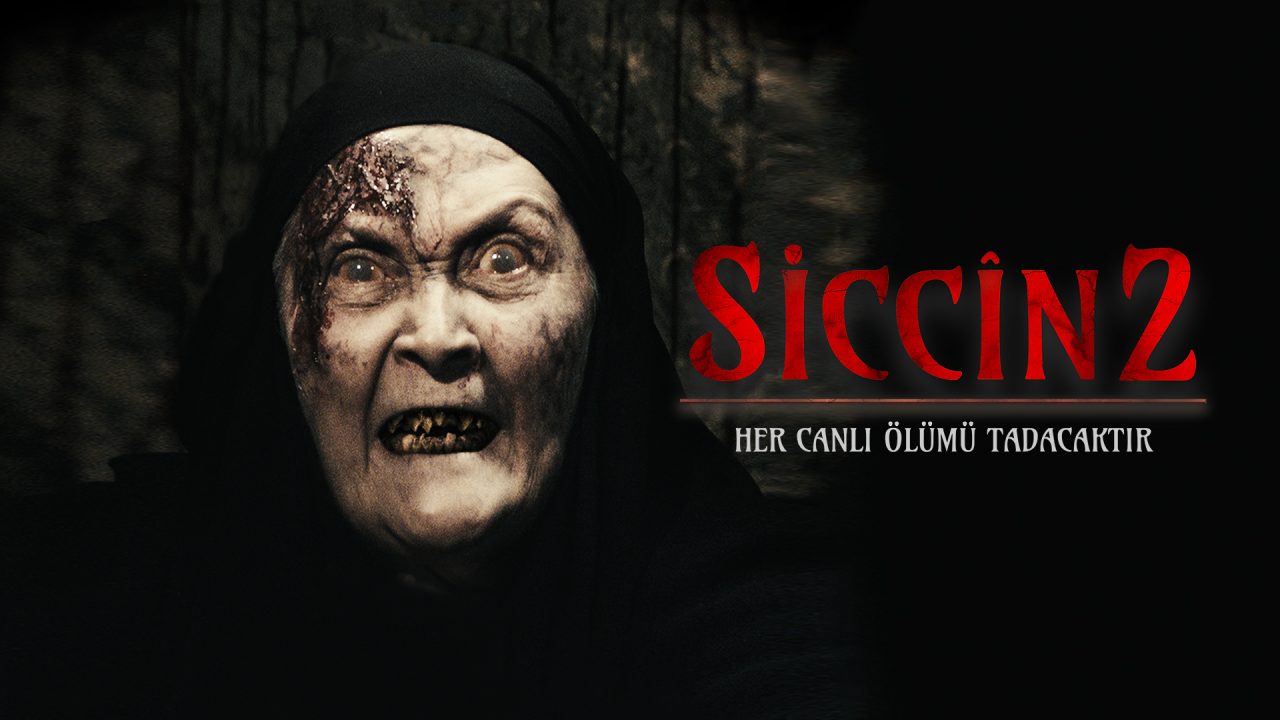
Siccin 2 is the second installment in the Turkish horror series directed by Alper Mestçi. Like its predecessor, the film explores the dark consequences of black magic, family betrayal, and Islamic spirituality, intertwined with terrifying supernatural events. The movie elevates the horror with a deeper emotional narrative and more disturbing visuals.
Recap
The film opens with a scene of shattering domestic trauma that sets the tone for the entire runtime. We are introduced to Hicran and Adnan, a couple living a relatively happy life with their two-year-old son, Birol. The horror begins not with a demon, but with gravity. While Hicran is busy in the kitchen, a massive, heavy wardrobe in the child’s room topples over. The sound is deafening. Hicran rushes in to find her son crushed beneath the furniture.
The death of Birol destroys the marriage. Adnan, consumed by grief, turns his anger outward, blaming Hicran for the accident. He becomes distant, refusing to sleep in the same bed, and openly accuses her of being a negligent mother (“You killed our son”). Hicran is left to mourn in isolation, psychologically crumbling under the weight of her loss and her husband’s hatred.
In the months following the funeral, Hicran’s mental state deteriorates. She begins to experience terrifying supernatural phenomena. At first, it seems like the hallucinations of a grieving mother—she sees shadows, hears whispers, and smells foul odors. However, the activity escalates physically. Objects move, and she is tormented by visions of grotesque, demonic figures (Djinns). The psychological torture is compounded by Adnan’s cruelty; he believes she is simply losing her mind.
Desperate for answers, Hicran visits a “Hodja” (a spiritual healer), Abdullah. Unlike the charlatans often portrayed in similar movies, Abdullah Hodja is grave and serious. He performs a reading and discovers a terrifying truth: Hicran is under the influence of a specific and ancient curse known as the “41 Dikiş Büyüsü” (The 41 Stitches Spell).
The Hodja explains that this is one of the most potent and malignant forms of black magic. The spell involves 41 stitches sewn into a talisman or object, each stitch representing a different evil intention (e.g., poverty, madness, death, illness). He tells Hicran that this curse was not cast recently, nor was it cast by a stranger. It was cast by someone of “second blood” (a close relative) and has been dormant or active in her bloodline for a long time. To break the curse, Hicran must do the impossible: she must identify who cast the spell and, more importantly, discover the specific intention behind it.
Hicran returns to her family roots to investigate, traveling to her mother Zehra’s village. It is here that the film transitions from a haunted house story to a dark family mystery. Hicran begins to ask questions about her family’s history, specifically regarding her aunt, Necmiye.
Through conversations with her elderly grandmother (technically Necmiye’s mother-in-law) and by uncovering old photographs, Hicran pieces together a disturbing history. She learns that her mother, Zehra, and her aunt, Necmiye, had a fractured relationship defined by intense jealousy.
The investigation reveals that the curse was not originally targeting Hicran directly—it was a generational weapon that Hicran inherited.
Years ago, Necmiye (the aunt) was consumed by envy. Her sister Zehra (Hicran’s mother) had everything Necmiye wanted: a loving husband named Ramazan and two beautiful daughters. Necmiye, on the other hand, was barren and miserable. Driven by this jealousy, Necmiye conspired with her mother-in-law (the old woman Hicran speaks to) to destroy Zehra’s happiness.
They cast the 41 Stitches Spell on Zehra. The results were catastrophic and immediate. The black magic infected Zehra’s husband, Ramazan. Driven to sudden madness by the Djinn, Ramazan brutally murdered his two young daughters with an axe and then set himself on fire in front of Zehra.
However, the tragedy didn’t end there. At the time of the massacre, Zehra was pregnant with a third child, Hicran.
Zehra survived the fire and the loss of her family, eventually giving birth to Hicran. Because the “41 Stitches” spell is a curse of lineage and blood, it did not vanish with the death of Ramazan or the two daughters. It attached itself to the fetus. Hicran was born with the curse already in her blood. The “intent” of the spell was total destruction of the lineage, which explains why Hicran’s own son, Birol, was killed by the wardrobe. The curse was simply finishing the job it started a generation ago.
Key Events
Mehmet’s Apparitions: Hicran’s visions of her deceased son are symbolic of her unresolved grief and guilt. The supernatural elements blend with her emotional torment, making it difficult to distinguish reality from illusion.
The Revelation of Black Magic: The family discovers that Sedat’s curse involved the use of personal items and rituals to summon jinn, targeting Hicran and Adnan specifically. This revelation serves as a turning point, revealing the true antagonist and the extent of their malicious intent.
The Role of Zekeriya: Zekeriya, initially portrayed as antagonistic toward Hicran, becomes a key figure in unraveling the mystery. His involvement highlights the generational conflicts and hidden tensions within the family.
Ending Explained
The finale of Siccîn 2 is a masterclass in nihilism. Hicran, armed with the knowledge of the past, finds the physical talisman, the doll with the 41 stitches, hidden in the old family home. She rushes to the Hodja to break the spell, hoping that uncovering the truth will save her and perhaps redeem her relationship with Adnan.
However, the film pulls the rug out from under the audience in its final moments.
While Hicran is unraveling the mystery of the aunt and the spell, we cut to Adnan. Throughout the film, we assumed Adnan was merely a grieving, angry husband. But the grief has been eating him alive. Unable to cope with the loss of his son and the disintegration of his life, Adnan goes to Birol’s grave. In a scene of quiet devastation, he commits suicide, joining his son in death.
Hicran returns, believing she has broken the cycle, only to find that she is too late. Her son is dead. Her husband is dead. Her family history is a lie built on jealousy and blood magic.
The film ends with a terrifying realization for Hicran. The Djinns that have been tormenting her were not just trying to scare her; they were ushering her toward this ultimate solitude. The curse of the 41 Stitches was successful. It stripped away everyone she loved.
The movie closes with text (a common trope in the Siccîn series) stating the grim aftermath: Hicran lived with the corpses/spirits of her husband and son for two months, unable to accept reality, before the Hodja finally managed to fully break the spell’s hold on her mind.
Review
Grief and Vulnerability: Hicran’s emotional vulnerability after losing her son makes her a prime target for the supernatural. The film portrays grief as both a personal tragedy and an entry point for dark forces.
Family and Betrayal: The movie explores the devastating effects of betrayal, particularly Sedat’s actions against Adnan and Hicran. The use of black magic underscores the lengths to which betrayal can drive someone.
Islamic Spirituality and the Jinn: The movie draws heavily on Islamic beliefs about jinn and black magic, depicting the spiritual dangers of invoking such powers and the moral boundaries they transgress.
Retribution and Karma: Just like in the first movie, the curse rebounds in unexpected ways, affecting everyone involved and showcasing the destructive nature of tampering with forbidden rituals.
Siccin 3: Forbidden Love
Siccin 3, directed by Alper Mestçi, continues the Turkish horror series’ exploration of dark magic, jinn, and the devastating consequences of betrayal and forbidden love. This installment, subtitled “Love,” intertwines a tragic love story with themes of revenge and spiritual corruption, making it one of the most emotionally intense entries in the series.

👉 Watch Siccin 3 on Amazon:
Recap
The story revolves around three childhood friends: Orhan, Sedat, and Sedat’s sister, Kader. They grew up inseparable. As adults, this bond culminates in the marriage of Orhan and Kader, making Sedat and Orhan brothers-in-law as well as best friends.
The horror is set in motion by a mundane workplace dispute. Orhan, a strict factory manager, fires a worker named Halil for negligence. Devastated and humiliated, Halil commits suicide. His grieving widow, Ayşe, confronts Orhan and casts a curse on him: “May your life be as dark as the soil.”
Shortly after, the curse manifests. Orhan, Sedat, and Kader are involved in a horrific car accident while Sedat is driving. The crash is catastrophic.
- Sedat survives but is consumed by guilt.
- Sedat’s young son, Mehmet, is left paralyzed.
- Kader, we are told, suffers severe brain damage and amnesia.
The movie jumps forward. The friendship between Orhan and Sedat is shattered. Orhan blames Sedat for the accident (since he was driving) and cuts all ties, isolating himself in his large farmhouse with Kader.
We learn that Kader is in a near-vegetative state. Orhan is depicted as the devoted, suffering husband, taking care of her every need, refusing to let anyone else see her. He claims she remembers nothing and no one, not even her brother.
Meanwhile, Sedat is living a nightmare. Not only is he caring for his paralyzed son, but he is also being tormented by aggressive supernatural attacks. He sees demons, hears screams, and is physically assaulted by unseen forces. Desperate, he seeks out the franchise’s recurring spiritual authority, a Hodja (though not the same one from the previous film), to understand why he is being haunted.
The Hodja reveals that the disturbance is not just a random haunting; it is a war between realms. A powerful spell has been cast that has disrupted the balance between the world of humans and the world of Djinns. The Hodja warns Sedat that the source of this evil is coming from Orhan’s house.
Despite Orhan’s warnings to stay away, Sedat breaks into Orhan’s farmhouse to find out what is happening to his sister and to stop the torment destroying his own son.
As Sedat infiltrates the house, the film delivers its gut-wrenching twist.
Throughout the movie, we believed Orhan was caring for his brain-damaged wife. When Sedat finally finds “Kader” in a locked room, he discovers the horrifying truth: Kader did not survive the car accident. She died on impact or shortly after.
Orhan, unable to accept a world without his “Cürmü Aşk” (Sin of Love), refused to bury her. Instead, he made a pact with a powerful demon. He performed a forbidden ritual to “bind” a soul to Kader’s corpse to keep her animated.
However, you cannot put a human soul back into a dead body. Orhan trapped a Djinn inside Kader’s rotting corpse. The “woman” Orhan has been living with, sleeping next to, and caring for is not his wife. It is a demon wearing his wife’s decaying biological matter as a suit.
The reason Sedat and his family were being haunted wasn’t just random malice. The Djinn inside Kader’s body was a child in the Djinn world. By trapping this Djinn entity in a human corpse, Orhan had kidnapped it from its own parents.
The supernatural attacks on Sedat and the paralysis of his son were acts of revenge by the Djinn’s parents. They were attacking Orhan’s family and friends to force him to release their child.
Key Events
The Car Accident: The accident that kills Mehmet and paralyzes Sedat is a pivotal event. While it appears to be a tragic incident, it is later revealed to be linked to the curse Sedat placed on Orhan, showcasing the unintended consequences of his actions.
Sedat’s Use of Black Magic: Sedat consults a practitioner of Siccin to target Orhan out of jealousy. The rituals involve the desecration of sacred texts and the summoning of malevolent jinn, emphasizing the moral and spiritual cost of such actions.
Orhan’s Supernatural Experiences: Orhan begins to experience terrifying visions and hauntings, symbolizing the spiritual repercussions of being the target of a curse. These events also highlight the increasing danger posed by the unleashed jinn.
Kübra’s Suffering: Caught between Orhan and Sedat, Kübra becomes a victim of the curse’s ripple effects. Her suffering symbolizes the collateral damage of jealousy and revenge.
Review
Love and Jealousy: The movie explores the destructive power of unrequited love and jealousy. Orhan’s feelings for Kübra, combined with Sedat’s suspicion and paranoia, create the emotional conflict that drives the plot.
Guilt and Grief: The accident that takes Mehmet’s life and cripples Sedat serves as a metaphor for the unintended consequences of meddling with forbidden powers. The characters’ grief and guilt are central to their emotional unraveling.
Black Magic and Forbidden Practices: The film delves deeply into the rituals of Siccin, showing the horrifying consequences of invoking jinn and tampering with spiritual forces for selfish reasons.
Retribution and Karma: Like the other movies in the series, Siccin 3 emphasizes the idea that the use of black magic will eventually rebound on the practitioner, causing suffering for everyone involved.
Ending Explained
The climax takes place in the farmhouse cellar/root cellar. Sedat uncovers the physical reality of what Orhan has done. He finds Kader’s body, which is visibly decomposing, kept “alive” only by the dark spell.
Orhan is revealed not as a villain, but as a man driven completely insane by grief. He genuinely believes that as long as the body moves, Kader is with him. He screams that he did it for love, unable to see the monstrosity of his actions.
The Hodja instructs Sedat that the only way to end the curse and save his own son is to destroy the vessel, he must burn Kader’s body.
The Fire
Sedat, weeping, sets fire to his sister’s corpse. As the flames consume the body, the trapped Djinn is released, shrieking as it flees back to its realm. With the link broken, the haunting stops.
The Fate of Orhan
The film ends on a note of absolute despair for Orhan. With Kader truly gone (her body burned to ash), Orhan has nothing left. The final scenes imply that Orhan commits suicide (or is killed by the vengeful Djinns), choosing death over a life without Kader.
In the closing moments, we see Orhan in the afterlife (or a spiritual limbo). He is finally reunited with the real spirit of Kader. They are together, but they are in a dark, colorless void, implying that while they are united, they are damned. His “sin of love” was so great that even in death, they are separated from peace.
Thematic Summary
Siccîn 3 deconstructs the romantic ideal of “undying love.” It argues that death is a natural boundary that must be respected. Orhan’s love was selfish; by refusing to let Kader go, he tortured her body, enslaved a spiritual entity, and destroyed the lives of everyone around him. The “Sin” in the title is the refusal to say goodbye.
Siccin 4
Siccin 4, directed by Alper Mestçi, is another chilling entry in the Siccin series that delves into the consequences of jealousy, family betrayal, and the misuse of dark magic. This installment stands out for its deeply personal family drama, blended with spine-tingling supernatural horror. The movie explores themes of generational curses, guilt, and the devastating power of black magic.

👉 Watch Siccin 4 on Amazon:
Recap
The film introduces us to the Yılmaz family, who are living a life of modern luxury that is rapidly collapsing. Sadık (the father) has gone bankrupt. Stripped of their wealth, status, and home, the family is forced to make a humiliating desperate move. Sadık, his wife Rabia, his daughter Kübra, and his young son Ömer must move into the decrepit, ancient house of his mother, Saadet.
This is not a happy reunion. Sadık has been estranged from his mother and brother for years, having chosen wealth over family. The house is located in a poor, desolate neighborhood, and the atmosphere is immediately oppressive.
Upon arriving, the family finds the situation far worse than expected.
- Grandmother Saadet is alive but in a near-catatonic state, seemingly bound to her bed, watching the family with terrified eyes.
- Uncle Halil (Sadık’s brother) lives in the house and appears mentally unstable, often muttering about “them” and acting as a gatekeeper to the house’s dark secrets.
The most disturbing feature of the property is the garden. Sadık’s father is buried in the backyard, a practice that is culturally and religiously taboo in their society (where the dead belong in cemeteries). This grave is the epicenter of the spiritual rot.
As the family tries to adjust to their poverty, the supernatural activity begins. Unlike the adults who are blinded by their financial stress, the youngest child, Ömer, becomes a conduit for the entities. He carries a camera around the house, and through the lens, he sees what the others cannot: shadowy figures, Djinns lurking in corners, and the restless spirit of the grandfather.
The “Musallat” (haunting) escalates rapidly. Kübra is tormented in her sleep, Rabia begins to lose her grip on reality, and Sadık becomes increasingly aggressive, mirroring the toxicity of the house. The family realizes they are not just poor; they are prisoners.
The investigation into the haunting reveals that the terror is not random—it is a debt collection.
The film reveals the dark history of Sadık. Years ago, Sadık didn’t just “leave” his family to become rich; he stole their future. The backstory suggests that Sadık was responsible for the death of his father (or at least the desecration of his memory/grave) to secure the capital he needed to start his business. He buried the body in the garden to hide his sin, effectively cursing the land.
Grandmother Saadet was not just a helpless old woman. She had been practicing black magic to contain the angry spirit of her husband and the Djinns that were attracted to the violence of his death. She had bound herself and her son Halil to the house as “jailers,” keeping the evil contained. By moving his family back into the house, Sadık broke the seal. He brought fresh victims (his children) into the cage he built.
Key Events
The Mansion’s Supernatural Phenomena: The house itself becomes a character, with its creaking walls, shadowy corners, and unexplained occurrences. These events are tied to the jinn bound by Saadet’s rituals, symbolizing her lingering guilt and the inescapable nature of the curse.
Saadet’s Rituals: Saadet’s past involvement in Siccin rituals is revealed through flashbacks. Her actions, motivated by jealousy and greed, summon malevolent jinn, who now haunt the family as part of a generational retribution.
Possession and Hauntings: Various family members experience possession-like symptoms, ranging from unexplained illnesses to violent outbursts. These serve as manifestations of the jinn’s growing power over the household.
The Family’s Unraveling: The supernatural events exacerbate existing tensions within the family. Yılmaz’s financial struggles, Yasemin’s growing fear, and Kemal’s mistrust of Saadet create a toxic environment that mirrors the curse’s destructive influence.
Review
Generational Curses: The movie explores how the actions of one generation can cast a dark shadow over the lives of their descendants. Saadet’s past sins directly affect Yılmaz’s family.
Jealousy and Family Betrayal: Much of the horror stems from familial tensions and Saadet’s jealousy, which drives her to commit unforgivable acts, setting the stage for the curse.
Islamic Spirituality and Black Magic: The movie heavily incorporates Islamic beliefs about the jinn, black magic, and the consequences of tampering with forbidden spiritual practices.
Isolation and Helplessness: The mansion serves as a metaphor for entrapment, both physically and emotionally. The family’s isolation in the house mirrors their inability to escape the curse.
Ending Explained
The finale of Siccîn 4 is chaotic and punishing. The protective wards fail, and the Djinns launch a full assault on the Yılmaz family.
The Fate of Sadık
The entity haunting the house, the spirit of the betrayed father/grandfather merged with a Djinn—finally claims its target. Sadık is dragged into the darkness. His financial bankruptcy serves as a metaphor for his moral bankruptcy; he sacrificed his father for money, and now the “debt” is being paid with his soul. The scene implies he is pulled into the very earth of the garden he desecrated.
The Fate of the Children
The most tragic aspect of the ending involves the children. Ömer, who had the “sight” throughout the movie, is left traumatized and possibly possessed, serving as a vessel for the entities to continue their existence. The innocence of the children does not save them; they inherit the curse of their father.
The film ends with the family completely destroyed. They did not escape the house. The “haunted house” trope is subverted: usually, families flee the house at the end. In Siccîn 4, the house absorbs them. The final shots confirm that the cycle of misery has not ended; it has simply claimed a new generation.
Thematic Summary
Siccîn 4 serves as a critique of modern materialism. Sadık thought money could insulate him from his family history, but when the money ran out, the history was waiting for him. The “Garden Grave” represents the sins we try to bury, they don’t decompose; they wait.
Siccin 5
Siccin 5, directed by Alper Mestçi, is another chilling chapter in the Turkish horror series that delves into the realms of black magic, jinn, and dark family secrets. This installment stands out for its blend of psychological horror and supernatural elements, offering a story that is both deeply unsettling and emotionally intense.
👉Watch Siccin 5 on Amazon:
Recap
The film opens by referencing a terrifying real-world context: Karain Village in Turkey, which was evacuated by the government because the soil contained erionite (a mineral causing mesothelioma/cancer). In the movie’s lore, this sickness is not just geological, but spiritual—the result of forbidden rituals performed in the region.
We are introduced to a family already on the brink of collapse living in Nevşehir:
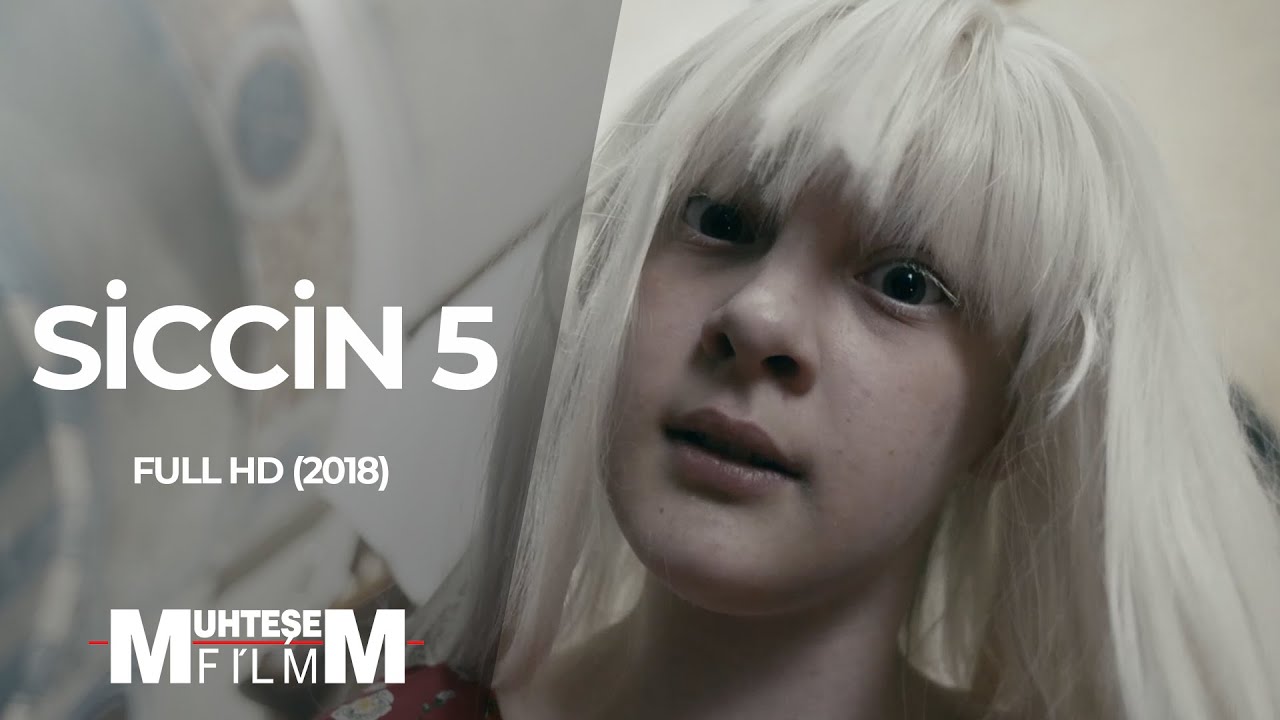
Hale: A 12-year-old girl with a striking, unusual appearance (often described as albino-like in the film). She is withdrawn, strange, and suffers from terrifying nightmares.
Azra: Hale’s aunt and the film’s primary protagonist. She is trying to hold the family together.
The Grandmother: A senile, mentally unstable woman who is terrified of Hale and constantly mutters about past sins.
Selim: Azra’s boyfriend, who tries to help them but gets dragged into the nightmare.
The inciting incident is the mystery of Hale’s father, Zahir. He disappeared before Hale was born and has never been seen since.
Hale begins to have vivid, violent dreams where her missing father calls her to his ancestral home in the abandoned Karain Village. She finds an ancient box belonging to her grandfather, inside of which is a grotesque doll and ritualistic items.
As Hale interacts with these objects, she undergoes a terrifying transformation. She stops speaking, her behavior becomes predatory, and she begins to physically resemble the demons of her nightmares. The house becomes a prison of jump scares and shifting realities. Azra and Selim are tormented not just by external monsters, but by hallucinations that make them question their own sanity.
The Ritual of Revenge
Desperate, Azra investigates the family history and uncovers the horrific truth about Zahir (the father) and Abbas (the grandfather).
Years ago, Zahir wanted power and wealth. To get it, he performed a forbidden “Helak” (Destruction/Payment) Ritual in the dark village. This was not a simple spell; it was a blood sacrifice. The price of the ritual was the life of a close relative. Zahir brutally sacrificed his own father, Abbas, to the Djinns.
However, the ritual went wrong. The Djinns accepted the sacrifice but cursed Zahir’s bloodline in return. Zahir fled, leaving his unborn daughter (Hale) to inherit the debt.
Key Events
Hale’s Behavior and Hauntings: Hale’s strange actions, such as talking to unseen entities and exhibiting violent outbursts, are manifestations of the jinn’s influence. These events gradually reveal the connection between her behavior and her family’s dark past.
Sevgi’s Pact with the Jinn: Through flashbacks, it is revealed that Sevgi used Siccin rituals to summon jinn in an attempt to gain control over her life. The pact, however, required a sacrifice, leading to the curse on her descendants.
Hale’s Visions and Nightmares: Hale experiences horrifying visions, including distorted figures and shadowy presences. These are the jinn tormenting her as part of their claim over Sevgi’s family.
The Family’s Descent: As the hauntings escalate, the family begins to turn on one another, with paranoia and fear driving them to desperate actions. This reflects the psychological toll of the curse.
Review
Family Secrets and Betrayal: The movie delves into the impact of hidden sins and betrayals within a family, particularly Sevgi’s involvement in black magic and the legacy it leaves for her children.
The Vulnerability of Innocence: Hale represents innocence corrupted by forces beyond her control. Her isolation and torment highlight the vulnerability of children in the face of adult transgressions.
Black Magic and Spiritual Consequences: The film emphasizes the dangers of tampering with forbidden powers, portraying the jinn as agents of divine retribution for Sevgi’s use of black magic.
Isolation and Despair: The family’s isolation in their home mirrors their emotional and spiritual entrapment by the curse, creating a claustrophobic atmosphere.
Ending Explained
The finale of Siccîn 5 is notorious for being disorienting, designed to make the audience feel the same confusion as the characters.
Azra, Selim, and the family are besieged by the Djinns on the “Night of the Payment.” The boundaries of the house dissolve, and they find themselves spiritually transported back to the dark village.
The Hallucination Loop
The climax reveals that much of what we witnessed in the second half of the film was a Djinn-induced hallucination.
In the final confrontation, it is revealed that Selim (the boyfriend) has been a primary pawn in this game. The entities manipulated his perception to turn him against Azra and the family.
The true twist is delivered by Ebru (Selim’s sister), a secondary character who arrives to find the aftermath. We learn that the “haunting” wasn’t just scary noises—it was a systematic psychological dismantling. The ritual performed by the father (Zahir) required a “replacement” vessel.
Hale was never just a little girl. The ending implies that the Hale we saw was already a vessel for the vengeful spirit of the grandfather (Abbas) or the Djinns associated with him. The “innocent child” died spiritually a long time ago.
The Final Scene
The movie ends with the total destruction of the family unit. Azra is left broken (or possibly possessed/killed, depending on the interpretation of the final jump scare), and the curse of the Karain Village remains active. The “Cancer” of the village wasn’t just disease; it was the accumulation of these dark pacts.
The final shot reinforces the nihilism of the series: You cannot cure a curse that is in your DNA. Zahir tried to trade his father for power, and in exchange, the Djinns took his daughter, his sister, and his entire legacy.
Themes in the Ending
The Cost of Ambition: Sevgi’s use of black magic for personal gain ultimately destroys her family, showing the destructive power of unchecked ambition.
Generational Curses: The film reinforces the idea that the sins of one generation can curse the next, leaving Hale as an innocent victim of her mother’s actions.
Divine Retribution: The jinn’s relentless torment serves as a form of punishment for Sevgi’s transgressions, emphasizing the moral boundaries in Islamic spirituality.
Siccin 6
Siccin 6, directed by Alper Mestçi, is the sixth installment in the Siccin series and continues to delve into dark family secrets, black magic, and the malevolent influence of jinn. This film takes a deeply personal and psychological approach to horror, blending supernatural terror with a story about guilt, betrayal, and spiritual consequences.
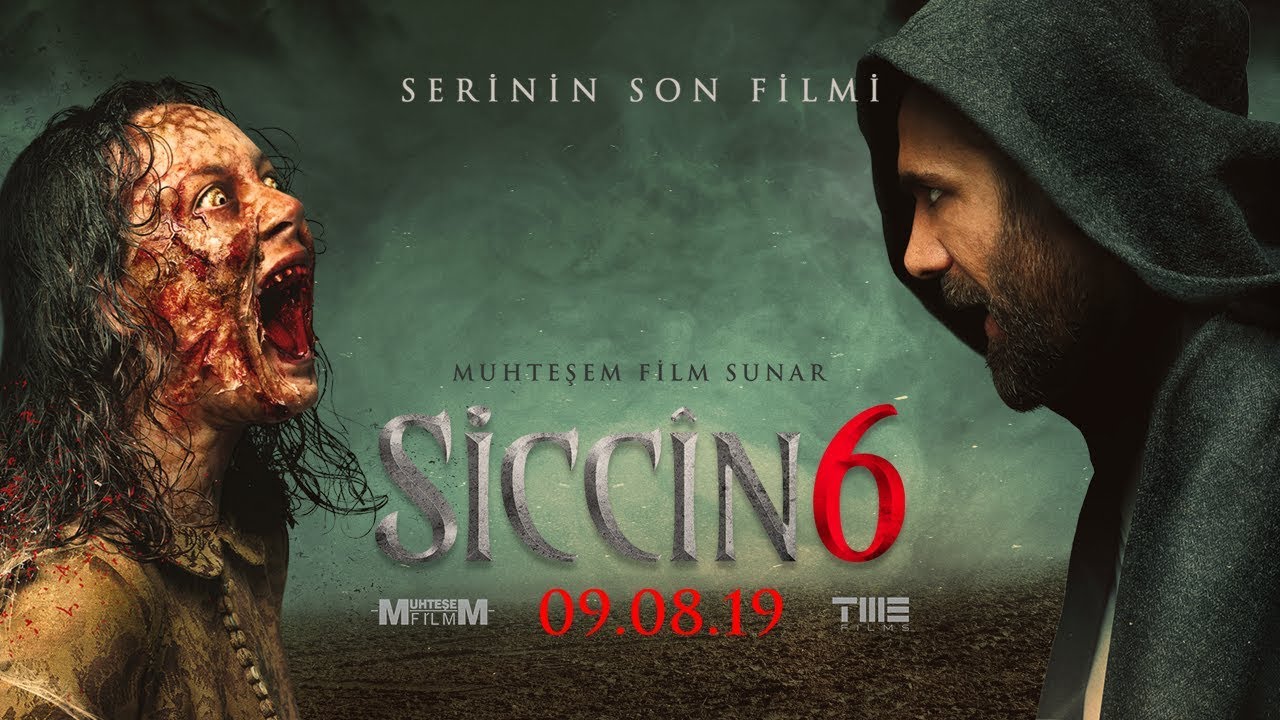
👉 Watch Siccin 6 on Amazon:
Recap
The film splits its attention between two seemingly unrelated storylines that slowly converge.
Storyline A: The Cursed Inheritance We meet Yaşar, a man living a miserable life with his family. He has a terrible relationship with his stepmother, who he believes is mistreating his father. When his father dies under mysterious circumstances, the family is torn apart by greed over the inheritance. However, Yaşar has a bigger problem. His daughter, Efsun, is… wrong. She wanders the house with a vacant stare, followed by unseen entities. The house is plagued by the foul smell of death and shadowy figures. It becomes clear that the inheritance Yaşar received isn’t just money, it’s a multi-generational curse.
Storyline B: The Return of Orhan The film reintroduces Orhan (the tragic lover from Siccîn 3 who tried to resurrect his dead wife). Orhan is no longer the clean-cut factory manager; he is a broken, bearded shell of a man, living in spiritual exile. He is still tormented by the Djinns because of the “Sin of Love” ritual he performed years ago. He is searching for a way to finally die and end his suffering, but the Djinns won’t let him. He seeks out the Hodja (the spiritual healer from Siccîn 4) for help, creating a bridge between the movies.
The Convergence
The two stories collide when it is revealed that the source of the black magic in Yaşar’s house is linked to the same dark forces tormenting Orhan. We learn that Efsun (Yaşar’s daughter) is not just a victim; she is a “carrier.” The film reveals that a powerful sorcerer named İhsan (who has connections to the history of the village) had cast a spell using the “41 Stitches” method (calling back to Siccîn 2) and buried the charm in Yaşar’s house.
The intent of the spell was to wipe out Yaşar’s bloodline. Orhan, possessing the “spiritual sight” from his own dealings with the devil, arrives at the house. He realizes that the only way to save the innocent girl (Efsun) is to confront the evil he knows so well.
The major twist of Siccîn 6 is that Efsun is not who we think she is.
Through flashbacks and the Hodja’s visions, we learn that Efsun’s soul is entangled with the Djinn tribes. The “sickness” she has isn’t medical; she was born cursed because of the sins of her grandfather (Yaşar’s father).
Just like in Siccîn 4, the father had used black magic to secure his wealth/status, sacrificing the spiritual safety of his future grandchildren. The Djinns have now come to collect.
Orhan realizes that his presence here is fate. He failed to save his wife (Kader) in Siccîn 3, but he has a chance to save Efsun. He decides to perform a counter-ritual, sacrificing his own remaining life force to break the hold of the Djinns on the girl.
Key Events
Yasar’s Illness: Yasar’s mysterious condition, marked by physical and mental deterioration, is revealed to be caused by the jinn’s torment. His suffering is part of the curse tied to the family’s betrayal and hidden sins.
The Revelation of the Curse: It is revealed that a close family member, motivated by jealousy and hatred, performed the Siccin ritual to curse Yasar and his family. The ritual required personal items and dark invocations, binding the jinn to their lives.
The Role of the Jinn: The jinn, summoned through the ritual, act as agents of retribution. They feed on the family’s fear and guilt, making escape impossible.
Review
Siccîn 6 is about Legacy and Redemption.
You cannot refuse an inheritance, even if that inheritance is a demon. Yaşar tried to live a normal life, but his father’s choices doomed him before he was born.
Orhan’s arc provides the only sliver of light. He couldn’t save his wife, but he used his pain to try and save another. Even if he partly failed, his intent was pure.
Ending Explained
The ending is a barrage of terrifying imagery and tragic irony.
The Sacrifice of Orhan
Orhan confronts the entities in the house. In a moment of redemption, he offers himself to the darkness. The Djinns, who have been torturing him for years, finally accept his surrender. Orhan dies (or is dragged completely into the Djinn realm), finally achieving the “death” he has craved since Siccîn 3. His arc ends where it began: sacrificing himself for love/innocence, though this time it is a selfless act for a stranger.
The Failure of Hope
However, in true Siccîn fashion, the victory is hollow. While Orhan’s sacrifice disrupts the immediate attack, it is revealed that the curse on Yaşar’s family is too deep to be fully cleansed.
Yaşar is killed by the entities, paying the price for his father’s sins.
The Stepmother meets a gruesome end, revealed to be a conspirator in the black magic usage.
The Final Scene
The movie ends with Efsun. Despite Orhan’s sacrifice, the final shot implies that she is not fully cured. The camera lingers on her, and we see the flicker of the Djinn still within her or watching her.
The closing text and imagery suggest that while the “battle” was won, the “war” is eternal. The specific Djinn tribe involved in this film (the Züffar tribe, known for being particularly nasty and associated with filth/sewage) has not been destroyed, only temporarily sated.
Siccin 7
Siccin 7, directed by Alper Mestçi, continues the Turkish horror series’ tradition of intertwining supernatural terror with deep-seated family secrets and dark rituals. This installment delves into themes of familial betrayal, the consequences of forbidden practices, and the haunting presence of the past.
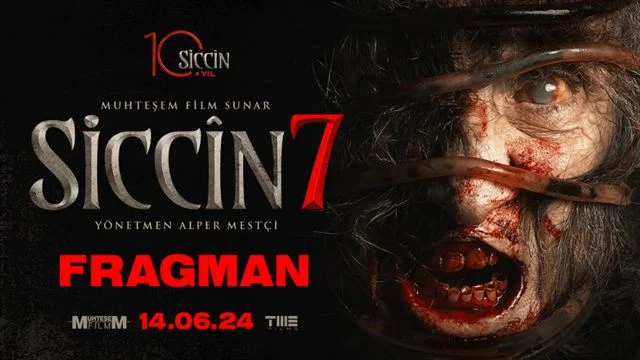
Recap
The story follows Kemal, a doctor who is forced to flee his life in the city. He moves his family—his wife Arzu, his teenage daughter Serap, his sick young daughter Rüya, and his elderly mother Lale—into his uncle’s abandoned, sprawling mansion.
The move is not a vacation; it is an escape. We learn early on that Kemal has made a “bloody bargain” with a child beggar mafia. He needed money to treat Rüya’s terminal illness, and in his desperation, he compromised his morals, leading to a conflict that forced them into hiding.
The horror in the mansion is primarily viewed through the eyes of Grandmother Lale, who suffers from advanced Alzheimer’s. She begins to see terrifying figures and relive past traumas. The family dismisses her screams as symptoms of her dementia, but the audience sees the truth: Lale’s “hallucinations” are actually visions of the entities (Djinns) that have infested the house. She is the only one who sees the danger, but she has lost the ability to communicate it.
The family hires a helper named Meral to assist with the housework and care for Lale. Meral appears to be a quiet, helpful woman, but her presence coincides with a sharp escalation in paranormal activity. Objects move, shadows aggressively attack Serap, and Rüya’s illness seems to transform into something more sinister than a biological disease.
It becomes clear that Meral did not just “happen” to find this job. She has hunted this family down.
The film’s central mystery revolves around a specific astrological event: the “Kara Ay” (Black Moon). The lore states that a Black Moon occurs only once every 19 years in February. The last one was in 2018.
The Zulmat Ritual
The investigation reveals that Meral is a practitioner of black magic who has been waiting years for this moment. In 2018, during the Black Moon, a forbidden ceremony called the “Zulmat Ritual” was performed. This ritual is designed to trade a life for a life.
The Mafia Connection
The twist connects the supernatural to the criminal. Years ago, during his dealings with the beggar mafia, Kemal was indirectly responsible for the death/suffering of Meral’s family (specifically her son, Mehmet). The “bloody bargain” Kemal made to save his own daughter, Rüya, came at the cost of Meral’s son.
Meral infiltrated the house not just to kill them, but to complete the interrupted ritual from 2018. She believes that by sacrificing Kemal’s children, she can either bring her son back or exact the ultimate spiritual payment (“Helak”) for his death.
Key Events Explained
Meral is a woman who had tragic past incident when her son and husband were killed by a man over a land ownership dispute. Since then Meral plotted revenge and used black magic so that djinns possess the man who killed her family and make him kill his own family. The dark powers had one condition for Meral to meet which obliges her to bury her son alive.
Meral couldn’t meet her end of the bargain because the panhandling mafia that sells children caught her in the act and stole her son from her before she could bury him.
Kemal a doctor who had a sick daughter named Ruya, needed a specific blood type to save her so he asked for this mafia’s help to to find a compatible blood match using the children they have and that’s when the mafia gave Mehmet, Meral’s daughter, to doctor Kemal.
Doctor Kemal drained Mehmet’s blood to save his daughter and left him dead. This triggered the series of events that pushed Meral to infiltrate his family to eventually bury his daughter as a sacrifice so that they doesn’t suffer the consequences of not meeting the conditions set on her by the demons.
Review
Siccîn 7 explores the concept of “The Greater Evil.” Kemal thought the mafia was the most dangerous thing he faced, so he ran to a haunted house. The film argues that human sins (greed, exploitation of children) are what open the door to spiritual evil. You cannot hide from a demon in a mansion if you carried the devil in with you.
Ending Explained
The finale is a claustrophobic nightmare where the mansion becomes a “labyrinth of shadows.”
The Completion of the Cycle
Meral initiates the final stage of the ritual. The protective barriers of the house fall, and the Djinns fully manifest. Kemal tries to save his family, but he is paralyzed by the realization that his own sins brought this upon them. The “mafia” element fades away, revealing that the true debt collector is the curse he invited.
Rüya’s Fate
The film ends on a grim note regarding the sick daughter, Rüya. It is implied that the “cure” Kemal sought was never going to work. The ritual claims its price. Meral succeeds in ensuring that Kemal feels the same loss she did. The entity/curse that was consuming Rüya was likely the spirit of Meral’s dead son (or a Djinn summoned by his death) taking its place in the living world.
The Ambiguous Darkness
Unlike previous films where a Hodja might step in to explain the aftermath, Siccîn 7 ends in chaos. The family is trapped in a cycle of madness, with the implication that the “Black Moon” ritual has permanently bridged their home with the Djinn dimension. The final shots suggest that the survivors (if any) are left in a state worse than death, haunted by the realization that their father’s “love” was the very thing that destroyed them.
Final Takeaway
Siccin 7 serves as a poignant reminder of the perils of delving into forbidden practices and the enduring impact of familial secrets. It reinforces the notion that the past, no matter how deeply buried, can resurface with devastating effects, especially when intertwined with supernatural elements.
Scariest Scenes in Siccin Movie | Don’t Watch Alone | Turkish Horror Movies
Siccin 8
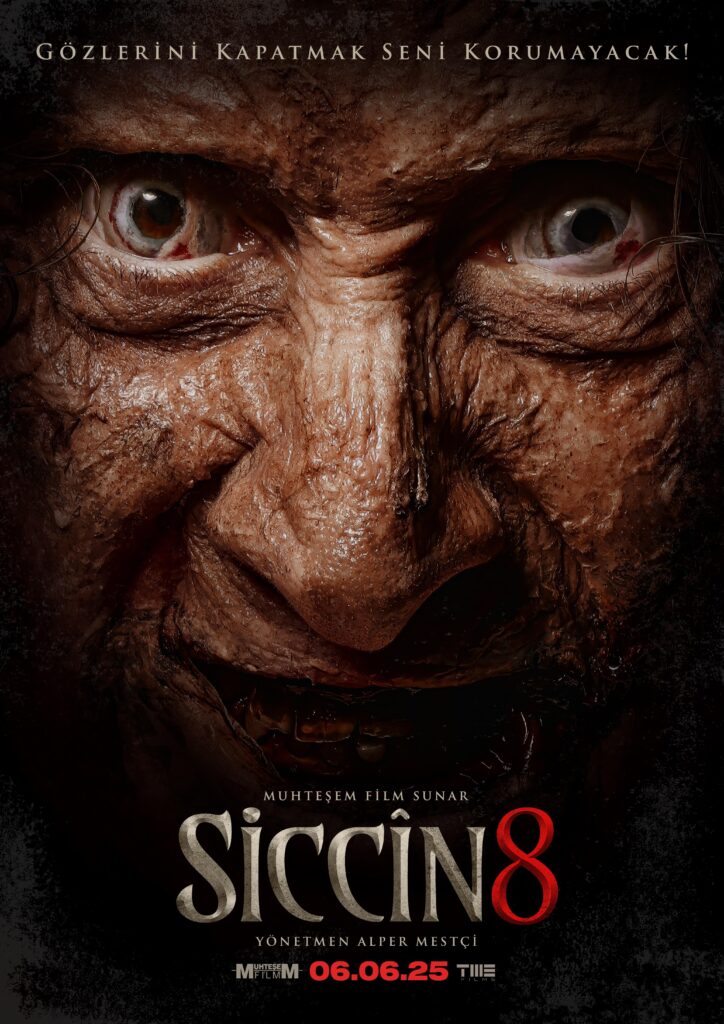
Released in June 2025, Siccîn 8 continues Alper Mestçi’s reign over Turkish horror. While Siccîn 7 focused on mafia bargains and Siccîn 6 on inheritance, this eighth installment tackles a deeply culturally sensitive topic in Turkey: filial piety and the abandonment of the elderly.
The film moves the horror from rural villages and haunted mansions to the cold, sterile environment of a nursing home (“Huzurevi”) and the guilt that follows a family back to their apartment. It explores the idea that abandoning your parents is a spiritual crime that invites a specific kind of demonic justice.
The Recap
The story centers on Fatih, a man caught between his wife, Berna, and his elderly, ailing mother. The domestic tension is suffocating. Berna refuses to care for the mother any longer, viewing her as a burden on their modern life. Under immense pressure from his wife, Fatih makes the heartbreaking decision to place his mother in a nursing home against her will.
The scene of the abandonment is pivotal—the mother’s silence is more terrifying than any scream. She feels betrayed by the son she raised.
At the facility, Fatih’s mother is isolated and grieving. However, she is not alone for long. She befriends a mysterious, bedridden woman in the room next to hers. This woman is not just a patient; she is a practitioner of the old ways who has been waiting for an instrument of revenge.
Through a series of flashbacks and visions, we learn that this meeting is not a coincidence. The mysterious woman has a connection to Fatih’s past. Years ago, a young Fatih had a relationship with this woman’s daughter. He cheated on her and abandoned her, driving the daughter to suicide. The mother has been stewing in hatred for years, and now, Fatih has delivered his own mother right into her hands.
Guilt eats away at Fatih. The paranormal activity begins not in the nursing home, but in Fatih’s apartment. He sees visions of his mother suffering, hears her voice in the walls, and is tormented by the spirit of the girl who committed suicide years ago.
Overwhelmed by remorse (and terrified by the hauntings), Fatih defies his wife Berna and goes back to the nursing home to retrieve his mother. He brings her back home, believing this will end the nightmare and restore his family’s honor.
This is where the true horror begins. The mother who returns is… different. She is physically present, but her behavior is erratic and sinister. She stands in dark corners, whispers in tongues, and seems to have intimate knowledge of Fatih’s darkest secrets. The family dog is terrified of her, and the atmosphere in the house shifts from “tense” to “necrotic.”
Berna is the first to realize the truth: the woman living in their guest room is not Fatih’s mother.
The Ending Explained
The finale of Siccîn 8 is a gruesome twist on the “Possession” trope.
The Vessel
It is revealed that during her time in the nursing home, Fatih’s mother was used in a ritual by the vengeful old woman. The woman didn’t just curse Fatih; she transferred a powerful Djinn (specifically a fierce entity linked to the suicide) into Fatih’s mother’s body.
When Fatih brought his mother home, he wasn’t saving her; he was acting as a courier for the curse. He invited the Trojan Horse into his fortress.
The Final Confrontation
The climax sees Fatih trying to fight off the entity that wears his mother’s face. The horror comes from his inability to harm the vessel—he cannot attack the monster without killing his own mother.
The entity reveals the full extent of the revenge: Fatih destroyed a daughter (the suicide), so now a “daughter” (the entity) has destroyed his mother. The cycle is symmetrical.
The Bleak Conclusion
The film ends with total devastation. The entity fully consumes the mother’s soul, leaving her body a permanent puppet for the Djinn. Fatih is left broken, likely possessed or killed in the final spiritual assault.
The closing scene leaves the audience with a chilling moral: Some sins cannot be fixed by saying “sorry” or trying to undo the action. Fatih tried to “undo” the abandonment by bringing his mother back, but the spiritual damage was already permanent.
Review
Siccîn 8 is a cautionary tale about Ingratitude (Nankörlük). The horror isn’t the demon; it’s the fact that Fatih treated people, both his ex-girlfriend and his mother, as disposable objects. The film argues that when you throw people away, you shouldn’t be surprised if something else crawls out of the trash to follow you home.
















Post Comment