Fallout: The Series vs The Game | Differences Explained
Intro
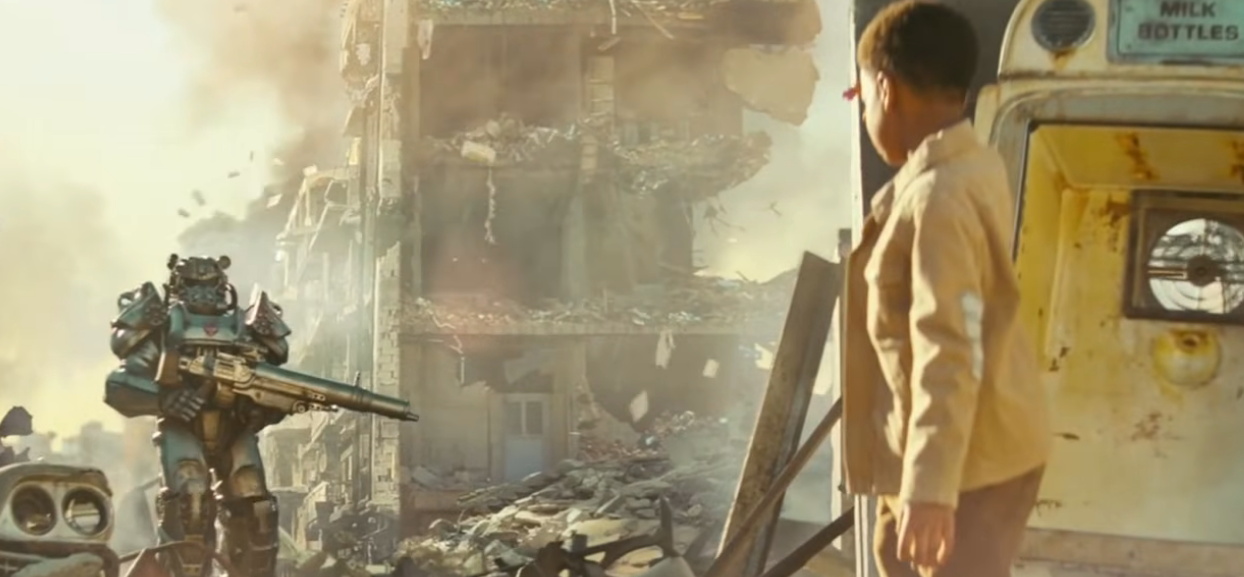
Adapting a beloved franchise often involves tweaking the lore to fit a new medium. The Fallout live-action series introduces several key changes to the wasteland we know from the games, affecting everything from creature biology to the history of the Great War.
Ghoul Physiology and Serums
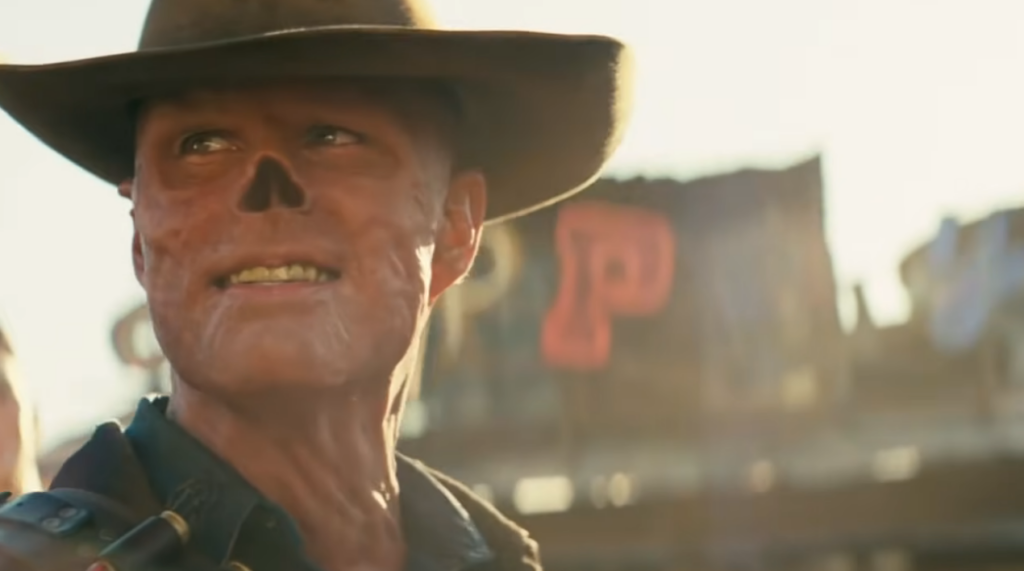
In the show, avoiding the feral state is a major plot point requiring regular intervention.
The series introduces a specific inhalable/injectable yellow serum that Ghouls must take to prevent turning feral.
In The Games, In titles like Fallout 3 or New Vegas, there is no mention of a maintenance drug. Ghouls like Charon or Hancock exist without it. However, Fallout 76 recently introduced a similar mechanic for players, attempting to bridge this gap
The Gulper
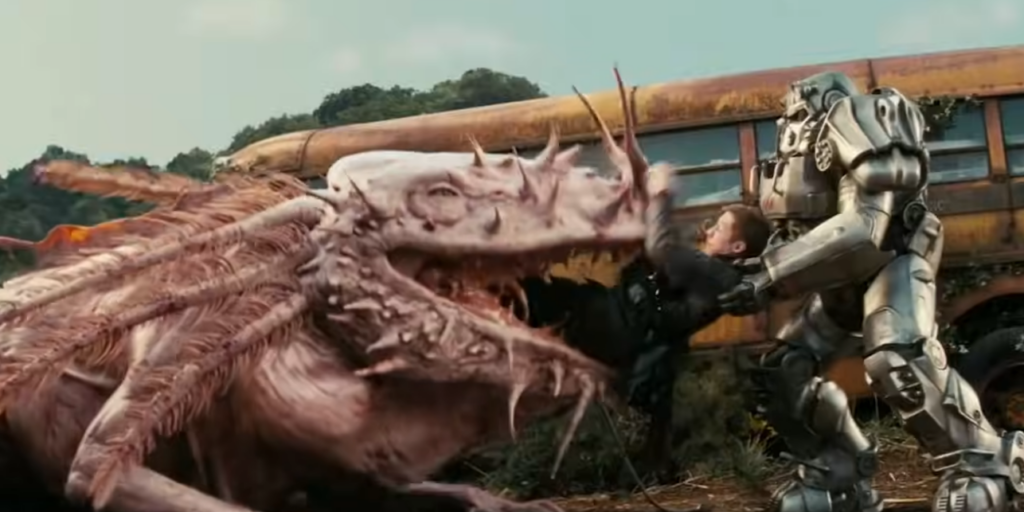
The show features a terrifying creature known as the Gulper, but its design differs significantly from the source material.
The TV Version
Resembles a giant axolotl with human fingers lining its mouth
The Game Version
Introduced in Fallout 4: Far Harbor, game Gulpers are more reptilian, resembling giant salamanders that can stand on two legs.
This is not a retcon but a regional difference. The show’s Gulpers (West Coast) were created via genetic experiments in Vault 4, whereas the game’s Gulpers (East Coast) are products of radiation mutation
Power Armor Mechanics
While visually faithful, the functionality of Power Armor has been tweaked for television.
In the show, the T-60 armor uses Iron Man-style wrist thrusters for flight, rather than the back-mounted jetpacks seen in Fallout 4.
The Helmet
The show adds a retractable faceplate feature, allowing characters to converse without removing the entire helmet.
A major plot point involves a specific welding flaw in the chest plate that the Ghoul exploits: a vulnerability that does not exist for players in the games
🔥Wasteland Propaganda Posters🖥️ Get your Faction Prints here:
The Brotherhood of Steel
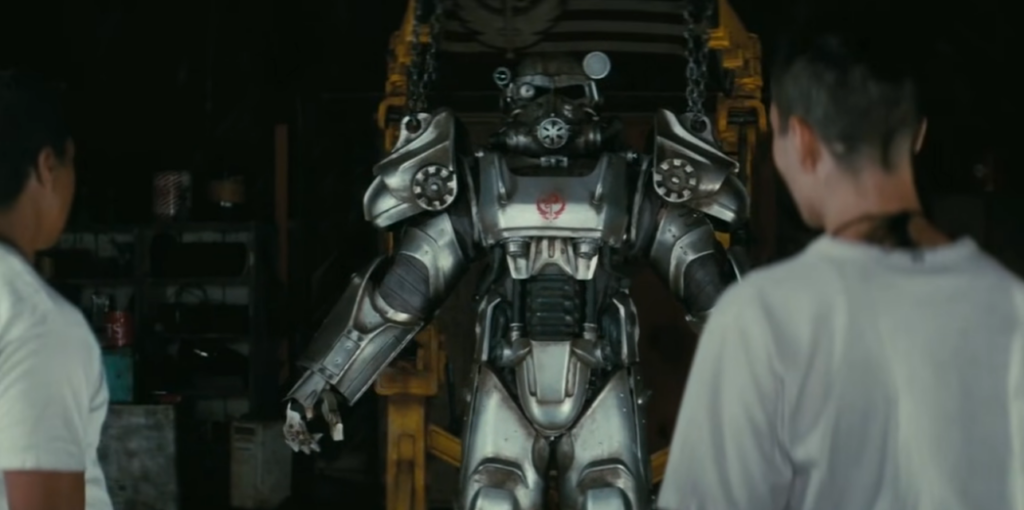
The depiction of the Brotherhood in the show leans heavily into religious fanaticism.
Unlike the tech-hoarding isolationists of the West Coast or the protectors of the East Coast, Maximus’s chapter functions almost like a religious cult. They actively recruit orphans and aim to govern the wasteland with an “iron fist,” a more authoritarian stance than usually seen
The Fall of Shady Sands
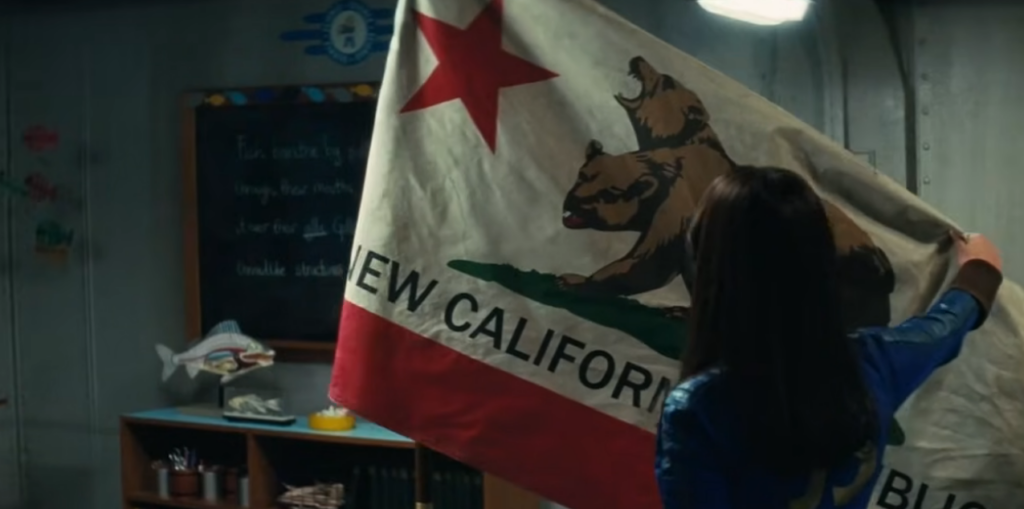
Perhaps the most controversial lore change concerns the New California Republic (NCR).
The show reveals that Shady Sands, the capital of the NCR and a thriving civilization in Fallout 2 and New Vegas, was nuked off the map.
This effectively resets the West Coast from a developing nation with taxes and paved roads back to a lawless, sandy wasteland, erasing much of the societal progress achieved in the earlier games.
Who Started the War?
The ultimate mystery of the franchise, who launched the first nuke?, gets a dark twist.
The Games
While usually implied to be China, it is left ambiguous.
The Show
It strongly suggests that Vault-Tec (specifically executives including Barb Howard and Robert House) conspired to drop the bombs themselves to ensure their vaults would be profitable and they could monopolyze the future








Post Comment