Deconstructing Gus Fring in Breaking Bad and Better Call Saul
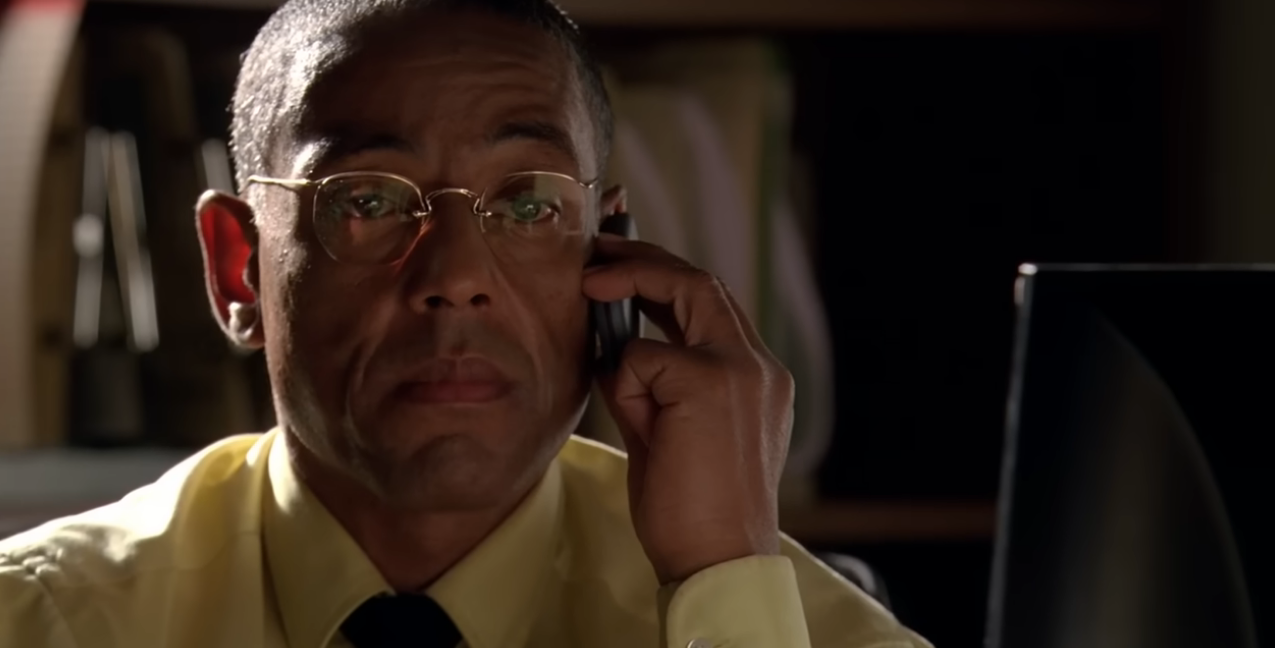
Creating a memorable villain requires more than just menacing lines; it requires a performance that elevates the stakes of the entire narrative. Giancarlo Esposito’s interpretation of Gus Fring stands as a masterclass in understated power, shifting the antagonist archetype from chaotic aggression to terrifying calculation.
The Strategy of Silence
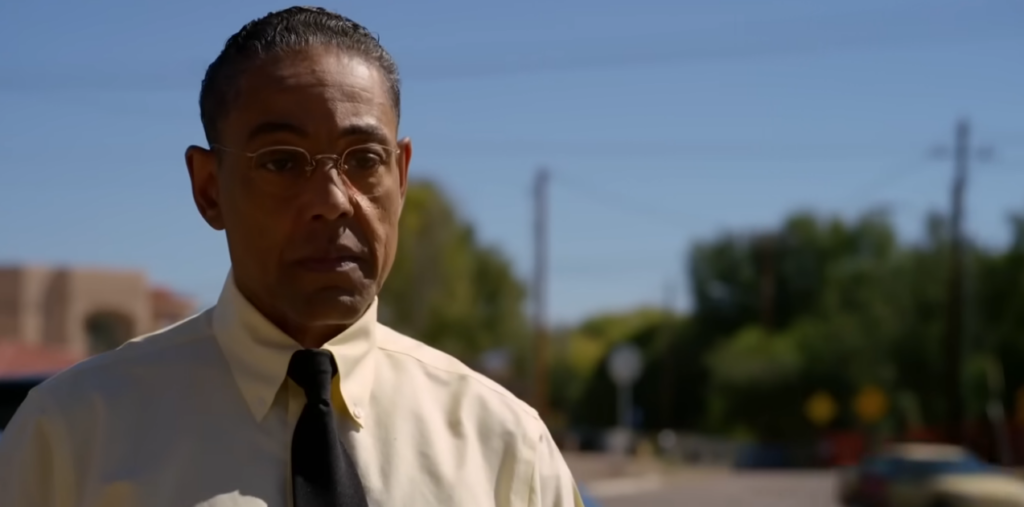
Unlike the unhinged cartel members in breaking bad that preceded him, Gus Fring was designed to be a professional. Esposito understood that true power doesn’t need to be loud.
This trained the audience to hang on his every micro-expression, knowing that his stillness masked a lethal intellect.
Instead of playing into the stereotype of a flamboyant drug lord, Esposito chose to do less. He utilized silence as a weapon, allowing the dead air between lines to become penetrating and uncomfortable for his scene partners.
👉 Get Breaking Bad Blue Ray:
👉 Watch Breaking Bad Online:
👉 Watch Better Call Saul Online:
👉 Get Better Call Saul Blue Ray:
Engineered Physicality
The performance is anchored in specific physical choices that communicate discipline and control.
Gus moves with a methodical, rhythmic stride never rushing, never dragging. It reflects his business philosophy: a steady, unstoppable progression toward a goal.
Hand Placement
You will rarely see Gus with hands in his pockets or fidgeting. His arms often hang loosely by his sides (a robotic relaxation) or are clasped firmly on a table to conduct power. When he places his hands flat on a surface, it signals I have nothing to hide, weaponizing his body language to manipulate others.
The Costume
The act of unbuttoning a suit jacket when sitting or straightening a tie is not just a quirk; it is a ritual. It highlights the duality of the character , the polite civilian restaurateur vs. the cold-blooded kingpin.
The Yoga of Acting
Esposito practiced yoga during the role to achieve a state of relaxed focus, which translated directly into the character’s steadiness.
Gus rarely blinks or moves his eyes while processing information. While other characters (like Walter White) dart their eyes around when thinking, signaling chaos or panic, Gus’s gaze remains fixed. This implies that even when plans change, he is fully in control of the adjustment.
He “drinks in” his opponents, staring blankly until they become flustered and reveal more than they intended.
Vocal Precision
The vocal delivery is perhaps the most defining trait of the character.
The Whisper
Esposito often practiced his lines in a whisper to find the menace in the quiet.
Rhythm & Punctuation
He breaks sentences into unusual rhythms, slowing down to emphasize specific syllables (e.g., “It is accept-table”). This distinct cadence forces the listener to wait for his conclusion, asserting dominance over the flow of time in the conversation.
The Customer Service Mask
The ability to switch instantly from a warm, gravelly “May I help you?” to a cold, flat delivery is what makes the character so unsettling: he is a dog that bites every owner he’s ever had, hiding in plain sight.
Conclusion
Giancarlo Esposito’s performance proves that the most effective villainy is often found in what is held back. By stripping away the ego and noise typically associated with bad guys, he created a character who feels like a force of nature: inevitable, precise, and terrifyingly human.















Post Comment