Fallout Series Season 2 Episode 4 Explained | The Demon in the Snow
Introduction
We have officially reached the halfway mark of the season with Episode 4, titled “The Demon in the Snow,” and Kilter Films has decided to stop pulling punches.
This episode is a masterclass in advancing the plot while simultaneously dumping a massive amount of lore that recontextualizes both the show and the games. From the freezing tundras of pre-war Alaska to the sun-scorched, empty streets of New Vegas, the showrunners are weaving a complex tapestry that ties together the Enclave, the Brotherhood’s fractured state, and the tragic decline of the New California Republic.
It’s a dense, chaotic, and visually stunning hour of television that demands a closer look, particularly at how it handles the sacred canon of the video games.
Pre-War Alaska and The Deathclaw Retcon
The episode opens with a visually striking flashback to the Sino-American War in 2076 or early 2077, dropping us right into the Battle of Anchorage.
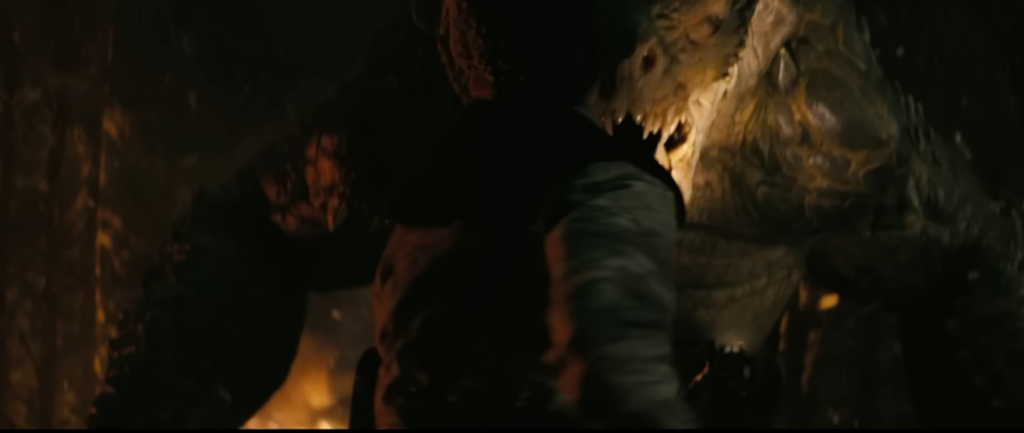
Seeing the T-45 power armor in action, glitches and all, was a treat for long-time fans. The show captures the aesthetic perfectly: clunky, sparking, and barely functional, yet undeniably imposing. However, the real conversation starter here is the appearance of a Deathclaw before the bombs fell.
For lore purists, this is a significant moment. The games have always implied Deathclaws were post-war mutations of Jackson’s Chameleons, but Fallout 76 and other deep-lore sources have hinted at Enclave genetic experiments predating the Great War.
The show seems to be solidifying the theory that the Enclave was conducting these experiments in secret labs (likely on the Aleutian Islands), and that these “demons” were unleashed during the chaos of the Chinese invasion. It’s a bold retcon that adds a terrifying layer to the pre-war world, suggesting that humanity had already created its own monsters long before the radiation took over.
Vault Politics: Mac & Cheese and Machiavellian Plots
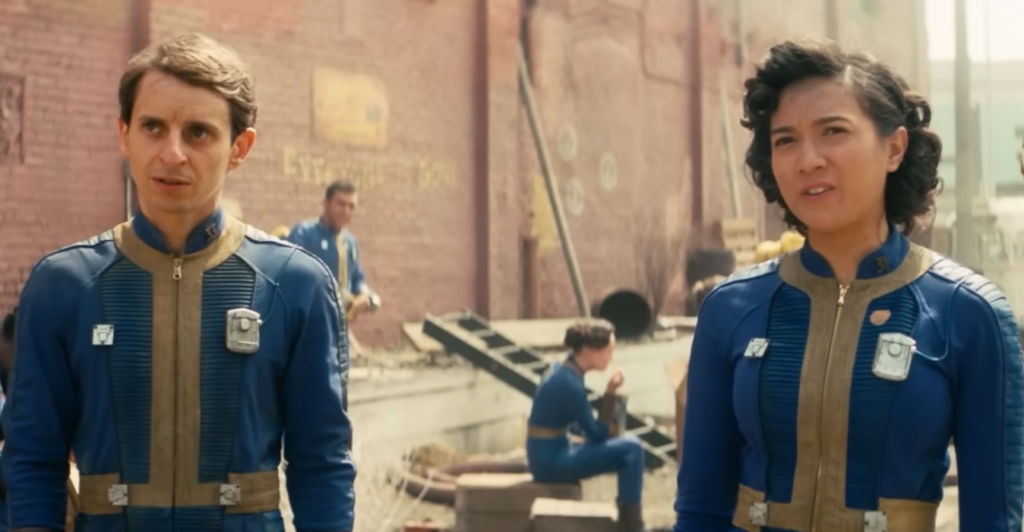
Back in the present, the narrative shifts to the bizarrely hilarious dynamics of Vault 31. Watching the cryogenically frozen junior managers munch on uncooked “Blamco” mac and cheese while praising its mouthfeel is the kind of dark, corporate satire Fallout excels at.
But beneath the humor lies a sinister reality. We learn more about “Phase 2” from Ronnie, Bud Askins’ former assistant, implying that the reclamation plan is far more aggressive than previously thought.
Meanwhile, the power struggle in Vault 32 and 33 is heating up. The interaction between Betty and Stephanie is chilling; Stephanie’s refusal to share water without a bribe, specifically Hank’s mysterious keepsake box, shows just how quickly civilization crumbles even within the “controlled” environment of the vaults.
The reveal that Stephanie is a pre-war Canadian citizen (via a discovered ID) is a brilliant narrative bomb, confirming that the “managers” of Vault 31 are not just loyal employees, but relics of a completely different era, further alienating the unsuspecting dwellers like Chad.
The Brotherhood Civil War and The Cold Fusion Heist
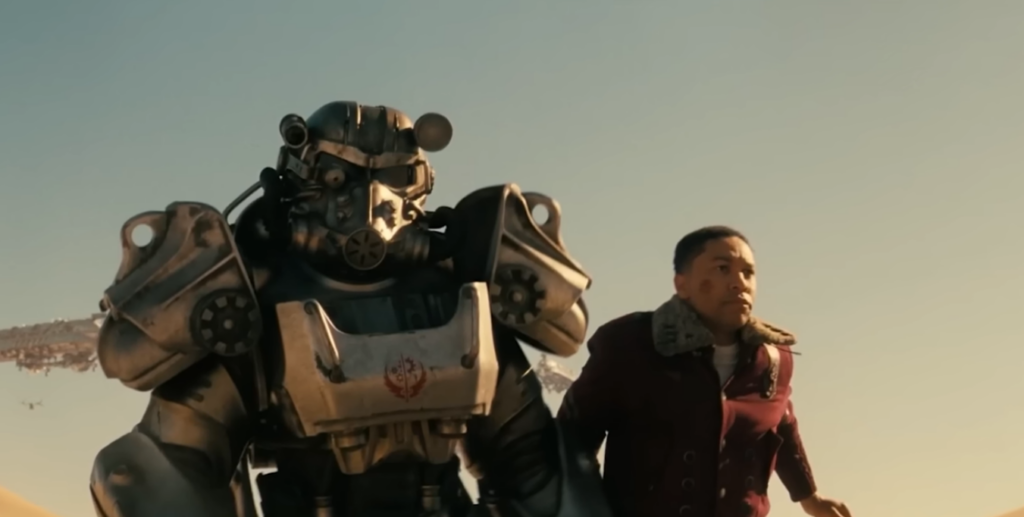
The Brotherhood of Steel storyline takes a turn for the chaotic, and arguably, the slightly absurd. Maximus’s inability to execute Quintus demonstrates his continuing moral conflict, but it is Dane who steals the show and the MacGuffin.
The fact that the “Cold Fusion” artifact was left completely unguarded in a hanger feels like a bit of a plot convenience, but it facilitates a necessary explosion of violence. The ensuing “civil war” between the different Brotherhood chapters: Yosemite, Coronado, and the Grand Canyon, is a fantastic visualization of the faction’s inherent instability.
The namedrop of Elder Maxson (a massive nod to Fallout 4) confirms he is alive and leading the Commonwealth chapter, which has huge implications for the timeline. Watching the airships destroy each other over Area 51 serves as a potent metaphor for the Brotherhood’s self-destructive obsession with technology and hierarchy; they are so busy fighting for control that they are literally burning their own kingdom to the ground.
Lucy’s Descent into Addiction and The Ghoul’s Glee
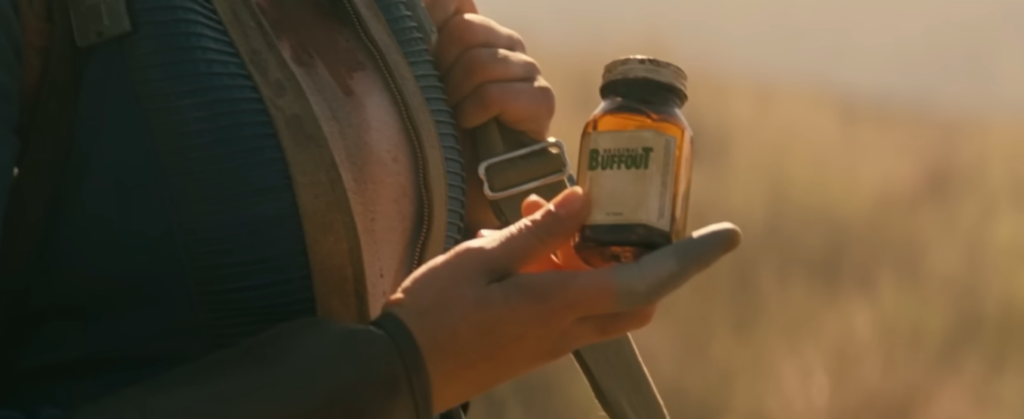
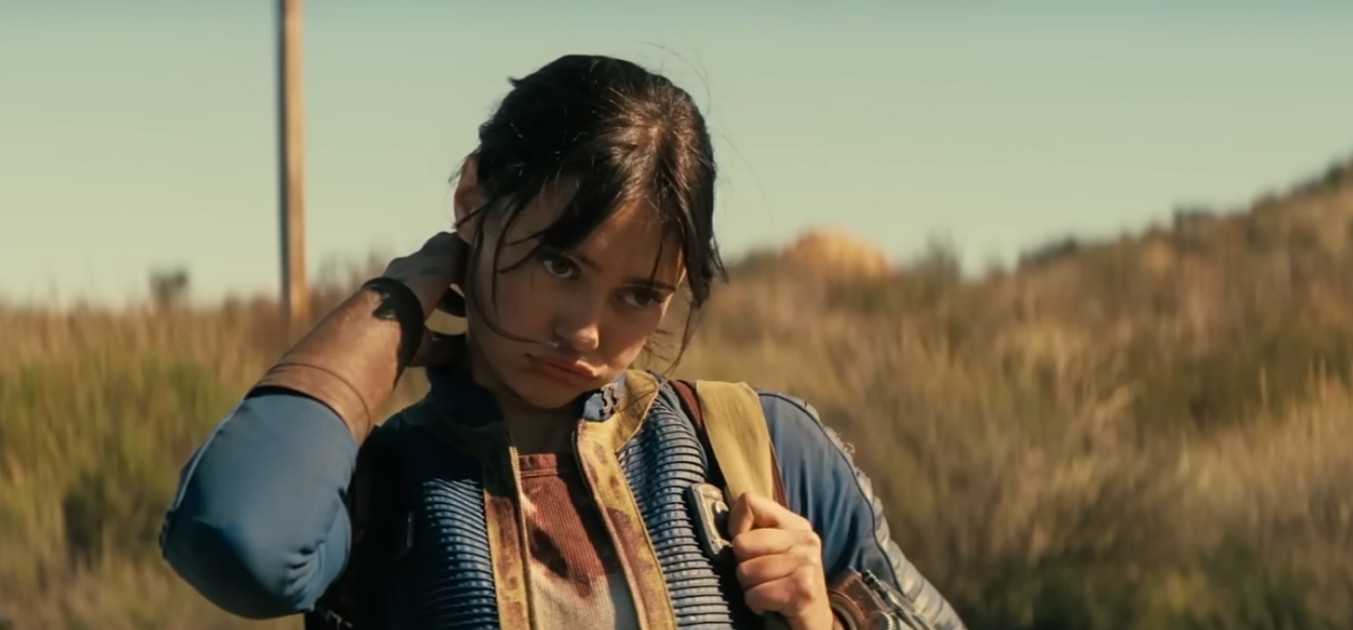
Perhaps the most shocking character arc in this episode is Lucy’s rapid descent. Waking up in an NCR outpost and hooked on an IV of Buffout, she isn’t the naive vault dweller we met in Season 1.
The show makes a bold choice by having her lean into the addiction rather than fight it. The montage of her rampaging through the feral ghouls of the “Kings” gang (a tragic fate for the Elvis impersonators of Freeside) is equal parts thrilling and disturbing. The Ghoul’s reaction, pure amusement at her drug-fueled aggression is perfectly twisted. He isn’t acting as a moral compass; he’s watching a train wreck and enjoying the show.
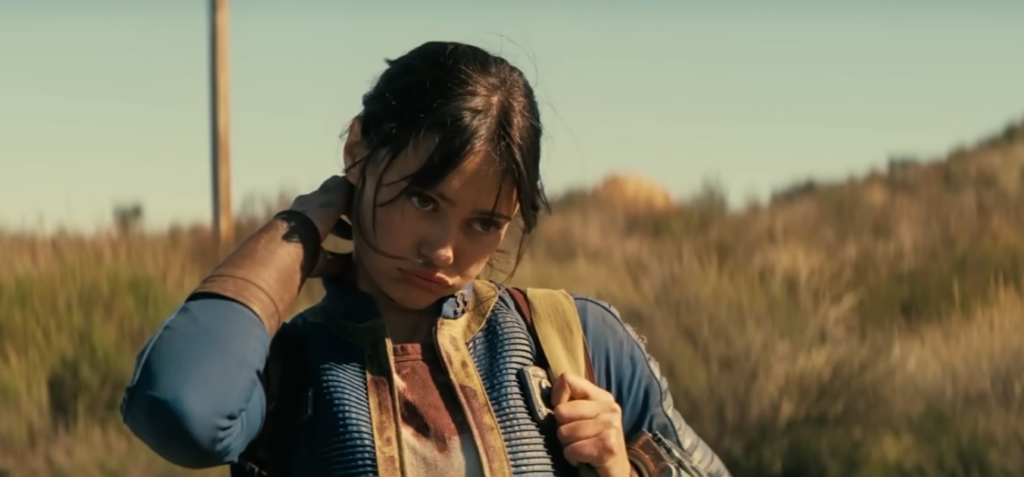
This “Buffout Lucy” is efficient, brutal, and terrifyingly capable, utilizing VATS-like precision to dismantle her enemies. It raises a concerning question for the rest of the season: is this a temporary power-up, or the beginning of a permanent loss of humanity for our protagonist?
Return to New Vegas: A City of Ghosts
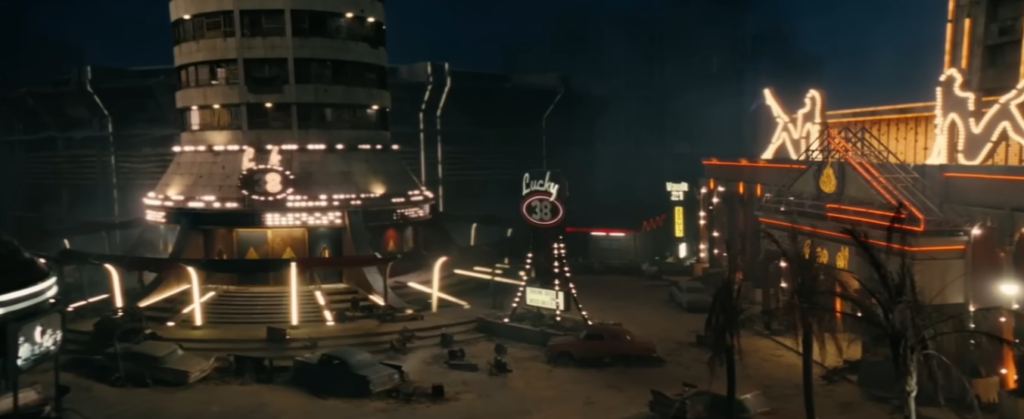
The arrival at New Vegas is a moment fans have been waiting for, and the showrunners delivered a hauntingly accurate recreation of the Strip. The geography is mostly spot-on, with the Lucky 38 and the casinos looming over the landscape. However, the silence is deafening. The Strip is abandoned, devoid of the bustling vice and chaos of the games.
This emptiness, combined with the presence of high radiation levels, tells a sad story about the fate of the Mojave.
The breakdown suggests that the “House Ending” of Fallout: New Vegas might be canon where Mr. House drives out both the NCR and the Legion but perhaps leaves the city a desolate monument to his own ego. The final cliffhanger, with a Deathclaw smashing through the glass of the Gomorrah casino, is a chef’s kiss ending. It symbolizes that nature, twisted and mutated, has finally reclaimed the city that man tried so hard to preserve.
Final Thoughts
“The Demon in the Snow” is a dense, rewarding episode that respects the intelligence of its audience. It doesn’t spoon-feed answers but rather scatters clues across the wasteland from the destroyed Camp McCarron to the Canadian annexation references.
It successfully balances the horror of the pre-war flashbacks with the absurdity of the present-day vault drama, all while pushing the main characters toward a dark confrontation in the ruins of Vegas.
If the second half of the season maintains this momentum, we are in for an all-timer of a television run. The calendar might say 2026, but in the world of Fallout, war never changes, and neither does our excitement for what comes next.