The Sopranos Season 3 Explained: The Dream Turns Into a Nightmare
Intro
Every great story begins with a dream , and every tragedy begins when that dream finally feels within reach. Season 3 of The Sopranos isn’t just another arc in Tony’s empire , it’s the moment when the fantasy of control collapses under the weight of its own contradictions. The money’s good. The house is quiet. The therapy continues. But the rot? The rot is spreading. This is the season where Tony Soprano’s world stops feeling cinematic and starts feeling claustrophobic.
The House Is Bugged, and So Is His Soul
From the opening episode, there’s a ghost in the machine quite literally. The FBI’s bug, tucked neatly into Tony’s basement, becomes the season’s invisible antagonist. It’s poetic in a way only The Sopranos could manage: the heart of Tony’s home , the space where family photos hang and ducks once nested is now compromised.
As a director, you can almost frame every domestic scene after that as an intrusion shot: wide angles that make the house feel too big, too quiet, too watched. The illusion of safety fades with every glass of red wine poured in that kitchen. Tony doesn’t know it yet, but the audience does. We’re watching a man perform normalcy for a camera he can’t see. And isn’t that the purest metaphor for modern existence?
📂Don’t just watch the show, analyze it. Grab Dr. Melfi’s confidential ‘Psychological Dossier’ on Tony (and the truth about the ending) here
Gloria Trillo : The Mirror That Shatters Him
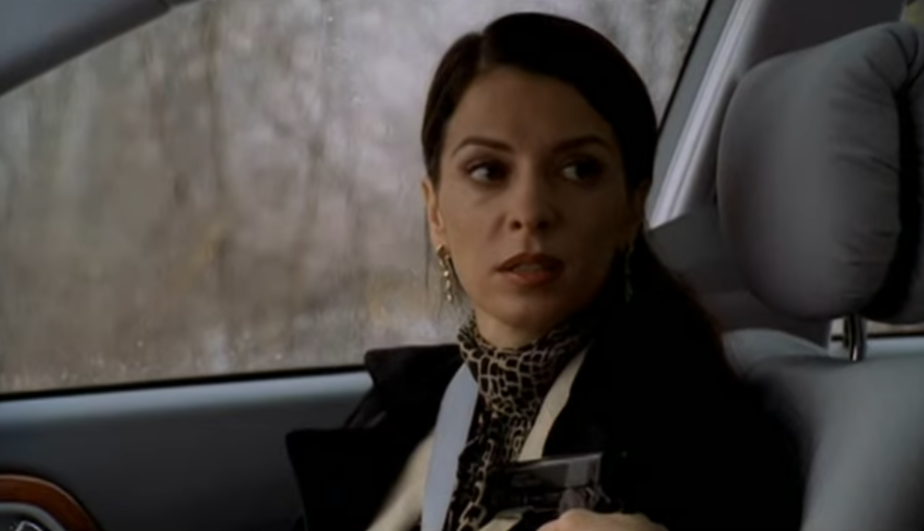
Then comes Gloria Trillo. She’s not just another affair, she’s Tony’s shadow wearing lipstick.
An exotic car saleswoman with the emotional volatility of a loaded gun, Gloria is what happens when the therapist’s couch spills into real life. Their chemistry is dangerous because it’s familiar. She speaks his language: wounded pride, suppressed rage, and the aching need to be understood without being judged. But unlike Melfi, Gloria doesn’t maintain boundaries , she bleeds them.
There’s a particular scene , Tony hurling steak at her in a violent, shame-fueled argument that plays like the collapse of a carefully rehearsed performance. It’s Tony watching himself from the outside, horrified.
The man who built an empire can’t manage a conversation without turning it into a battlefield.
As a storyteller, this is the moment Tony’s dream , the dream of having it all , curdles. Love, power, therapy, family. He’s juggling fire, and this is the first burn that truly leaves a scar.
The FBI’s Eyes, The Audience’s Conscience
The genius of Season 3’s FBI subplot isn’t in the chase, it’s in the voyeurism.
We, the viewers, become complicit with the agents. We watch Tony, listen in, and root for the trap to spring even though we love the man we’re betraying. There’s something hauntingly cinematic about the FBI agents eating takeout while listening to Tony’s private life through static , the blending of surveillance and storytelling, observation and obsession. We, too, are voyeurs. We, too, consume Tony’s dysfunction as entertainment.
It’s no accident that David Chase makes us feel uncomfortable here. This is The Sopranos reminding us that every shot we enjoy comes at a moral price.
Jackie Jr. : The Inevitable Ghost of Ambition
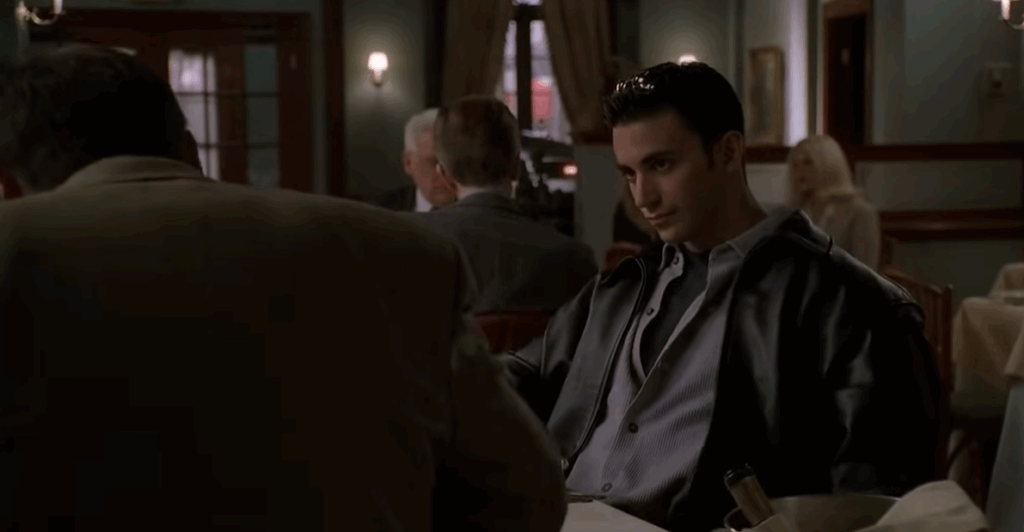
And then, there’s Jackie Aprile Jr. The boy who grew up idolizing Tony, only to imitate his worst instincts without his intelligence. If Gloria represents Tony’s inner chaos, Jackie Jr. represents his legacy gone wrong.
Tony once imagined that his reign, however bloody, would at least secure the next generation. But watching Jackie’s downfall , the sloppy robbery, the panic, the inevitable bullet , Tony sees the truth:
The dream doesn’t pass down. It infects.
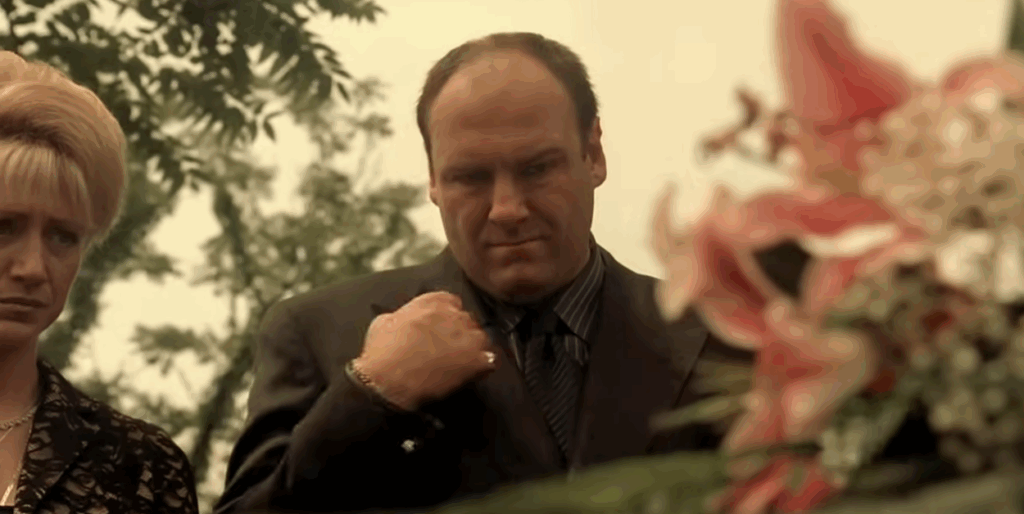
When Jackie Jr. dies, there’s no swelling music. No honor. No lesson learned. Just another wasted potential buried under New Jersey dirt. Carmela’s silent tears, Tony’s detached nod, Meadow’s grief , it’s the unmasking of everything Tony’s been pretending to protect.
The Dream Dies Quietly
By the final episodes, Tony’s world looks the same : the house, the boat, the family dinners. But everything feels colder. The therapy offers no redemption. The family offers no comfort. Even the ducks , that symbolic stand-in for his soul , are long gone.
Season 3 is The Sopranos shedding its last bit of romanticism. The mob isn’t stylish anymore. The family isn’t sacred. The dream of balance between sin and sanity has rotted from the inside. And Tony knows it.
You see it in the pauses, in the way he looks at Carmela across the dinner table like a man haunted by the sound of an invisible ticking clock.
Final Frame
If Season 1 was rise, and Season 2 was control, then Season 3 is reckoning.
It’s where Tony Soprano’s dream of being both the family man and the mob king collapses under the quiet, mundane horror of being seen , by the FBI, by his lovers, and worst of all, by himself.
The nightmare isn’t that Tony gets caught. It’s that he never will and he’ll have to keep living in the wreckage he built.